Scuba Seattle: Way Cooler Than You Think
When you think of scuba diving, pristine white sand beaches and crystal-clear tropical waters probably spring to mind. But what if I told you there's an incredibly vibrant, surprisingly beautiful underwater world waiting just off the shores of Seattle? Forget the palm trees for a moment and picture giant pacific octopus, playful seals, and colorful anemones thriving in the chilly but astonishingly clear waters of Puget Sound. Diving in Seattle is an experience all its own – a unique blend of urban adventure and wild marine encounters that's far more captivating than you might expect.
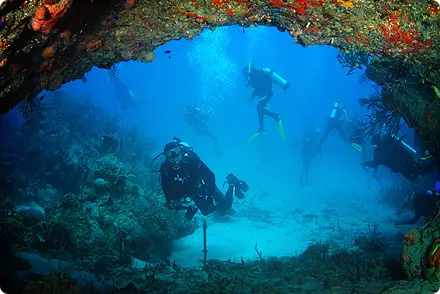 Source seattleyachtchartersdaily.com
Top Scuba Diving Sites Around Seattle
Alright, so you're ready to get your fins wet and explore what lies beneath the surface in the Seattle area. You're in for a real treat!
The Puget Sound offers some incredibly unique diving experiences, brimming with vibrant, cold-water marine life that you won't find just anywhere.
From playful giant Pacific octopuses to colorful nudibranchs and schooling rockfish, there's always something fascinating to discover.
Let's take a look at some of the most popular and accessible dive sites that locals and visitors absolutely love.
Each spot has its own special charm and creatures waiting to say hello.
You’ll find that many of these are shore dives, which is super convenient for grabbing your gear and just walking into the water.
Here’s a quick overview of some top spots to help you plan your underwater adventure.
Remember to always check local conditions and tides before heading out.
| Dive Site | Max Depth (approx.) | Key Features | Common Marine Life |
|---|---|---|---|
| Edmonds Underwater Park | 45-60 ft (14-18m) | Sunken boats, artificial reefs, pipelines, marked trails. | Giant Pacific Octopus, Lingcod, Cabezon, Nudibranchs, Rockfish, Crabs. |
| Alki Seacrest Park (Cove 2) | 40-60 ft (12-18m) | Artificial reefs, training platforms, "octopus garden," easy entry. | Giant Pacific Octopus, Wolf Eels, Sea Stars, Sculpins, occasional Seals. |
| Redondo Beach | 30-50 ft (9-15m) | Underwater pier pilings, eelgrass beds, protected area. | Giant Pacific Octopus, Kelp Crabs, Greenlings, small schooling fish. |
Edmonds Underwater Park is a true gem and probably the most famous dive site in Washington state.
It's essentially an underwater park with various structures like boats, concrete pipes, and even a "honeycomb" reef.
It's designed specifically for divers and offers easy access, plenty of parking, and even changing facilities.
You can spend hours exploring here and still not see everything.
Alki Seacrest Park, often called "Cove 2," is another fantastic shore dive right in West Seattle.
It’s known for its incredibly friendly resident Giant Pacific Octopus population.
There are also artificial reefs and training platforms that make it great for all skill levels, from beginners to experienced divers.
The views of the Seattle skyline on your surface interval are just an added bonus!
Redondo Beach offers a slightly different vibe with its focus on pier pilings and natural eelgrass beds.
It’s a bit calmer and can be a wonderful spot for macro photography, finding smaller creatures hidden amongst the grasses.
It's less crowded than Edmonds or Alki, providing a more serene diving experience.
Each of these locations offers distinct experiences, ensuring your scuba diving adventures in Seattle are truly unforgettable.
Best Time to Scuba Dive in Seattle & What to Expect
Thinking about when to plunge into the cool waters of Puget Sound?
The truth is, you can scuba dive in Seattle pretty much all year round, thanks to the fairly consistent water temperatures.
However, there are definitely times when the conditions are generally more favorable, offering you the best possible experience.
Let's dive into the details of what you can expect throughout the seasons.
Generally, the late spring through early fall—think May to October—is often considered the "best" time to dive.
During these months, you'll typically find slightly better visibility and slightly warmer surface temperatures, making those pre-dive gearing-up moments a little more comfortable.
The water temperature in Puget Sound doesn't fluctuate wildly; it generally hovers between 45°F (7°C) and 55°F (13°C) throughout the year.
So, regardless of when you go, a drysuit is almost always recommended to stay cozy and extend your bottom time.
Even a very thick wetsuit (7mm or more) might leave you chilly after a while, especially on multiple dives.
Visibility is the big variable in Seattle diving.
It can range from a fantastic 40+ feet (12+ meters) on a good day to a more challenging 10-15 feet (3-4.5 meters) when there's a lot of plankton bloom or after heavy rains stir up sediment.
Spring and summer tend to bring better visibility as plankton blooms might clear up, and less rain means less runoff into the Sound.
However, don't let lower visibility deter you!
Many of Seattle's dive sites are "muck dives" or "macro dives," where you're looking for smaller creatures up close, making visibility less critical for an amazing experience.
Currents can also be a factor in Puget Sound, especially in areas with strong tidal exchanges.
Always check tide tables and plan your dives for slack tide—the period of minimal water movement between incoming and outgoing tides.
This will make your dive much more enjoyable and safer, preventing you from fighting against strong pushes of water.
Winter diving, while colder on the surface, can sometimes offer surprisingly good visibility because plankton levels are lower.
The trade-off is shorter daylight hours and often windier, wetter surface conditions.
No matter the season, Seattle diving promises unique encounters with incredible marine life.
Just be prepared for cold water, invest in good thermal protection, and plan your dives wisely.
Every dive is an adventure!
Essential Gear for Seattle Scuba Diving
Diving in Seattle, while absolutely incredible, is definitely considered "cold water" diving.
This means your gear choices are super important for both comfort and safety.
You’ll want to be well-prepared to fully enjoy the underwater wonders of Puget Sound.
Let's break down the essential kit you'll need.
First and foremost, thermal protection is key. A drysuit is truly the gold standard for diving in Seattle.
Unlike a wetsuit, which allows a thin layer of water in to warm against your body, a drysuit keeps you completely dry.
You wear insulating undergarments beneath it, which trap air and keep you wonderfully warm, even in 45°F water.
This allows for longer, more comfortable dives and makes multiple dives in a day much more feasible.
If a drysuit isn't in your immediate plans, a thick wetsuit is the next best option.
Look for a 7mm or even a semi-dry 7mm wetsuit, and consider layering it with a 5mm vest or shorty for extra insulation.
Even with a drysuit, you'll need a good, thick hood (7mm is common), warm gloves (5mm-7mm three-finger mittens or dry gloves are ideal), and sturdy boots.
Heat loss from your head and extremities is significant, so don't skimp on these items.
For your core diving equipment, you'll need a reliable buoyancy control device (BCD), regulators suitable for cold water (some are specifically designed to prevent free-flows in cold temps), and a dive computer.
A good quality mask that fits well and comfortable fins are also must-haves.
Visibility in Seattle can vary, and it's often a bit darker than tropical waters due to deeper dives and less direct sunlight penetration.
Because of this, a powerful dive light or two is absolutely essential.
You'll use it to illuminate the vibrant colors of marine life, which appear dull in natural light at depth, and to signal your buddy.
Consider bringing a backup light as well.
Given the colder water and potentially deeper dives, many divers in the PNW also carry a redundant air source, like a pony bottle.
This provides an independent air supply in case of an emergency with your primary tank or regulator.
Always remember your signaling devices: a surface marker buoy (SMB) and an audible signal device like a whistle.
Staying safe and comfortable in Seattle's unique underwater environment means gearing up wisely.
Renting gear is always an option if you're just visiting, but for regular diving, investing in your own cold-water setup is highly recommended.
Scuba Diving Safety Tips for Pacific Northwest Waters
Diving in the Pacific Northwest, and specifically around Seattle, offers some truly spectacular experiences, but it's important to approach it with a solid understanding of cold water safety.
The unique conditions here require a bit more planning and awareness than your typical tropical vacation dive.
Let's go over some crucial safety tips to ensure your dives are not only amazing but also super safe.
First off, the cold water itself is a major factor. Hypothermia is a real concern if you're not adequately protected.
As we discussed, a drysuit with proper undergarments, a thick hood, gloves, and boots are essential.
Monitor yourself and your buddy for signs of being too cold, and always err on the side of ending a dive early if comfort levels drop too much.
Staying hydrated and having warm liquids and snacks available after your dive can also help maintain your core temperature.
The buddy system is always critical in diving, but it's even more paramount in colder, potentially lower-visibility conditions.
Always dive with a trusted buddy, stay close, and maintain constant communication.
Practice touch contact or line of sight in varying visibility, and agree on signals before you even get in the water.
Being able to rely on your buddy is your greatest asset.
Dive planning is another non-negotiable step. Check the weather forecasts, especially for wind and surface conditions.
Crucially, consult tide tables and plan your dives for slack tide.
Strong currents can make a dive extremely dangerous and exhausting, so understanding when the water will be calmest is vital.
Know your entry and exit points, and be aware of any potential hazards, both above and below the water.
Respect for marine life is also a safety tip in itself. While most marine life in the PNW is harmless, some creatures can sting or bite if provoked.
Observe, but do not touch.
This protects both you and the delicate ecosystem.
Avoid harassing animals, especially larger ones like octopuses or wolf eels, and maintain a respectful distance.
Always carry a cutting tool (like a dive knife or shears) to deal with potential entanglement from fishing lines or debris, which can be found in popular dive areas.
A surface marker buoy (SMB) is also essential for signaling your location to boats on the surface, especially if you surface away from your entry point.
Finally, stay current with your dive skills and get specialized training for drysuit diving and cold water environments if you haven't already.
A specialty course can provide invaluable knowledge and practice for diving safely and comfortably in conditions like those found in Seattle.
By following these tips, you'll be well on your way to enjoying safe and unforgettable underwater adventures in the Puget Sound.
Frequently Asked Questions (FAQ) about Scuba Diving in Seattle
1. Is Seattle good for scuba diving?
Absolutely! Seattle offers world-class cold-water diving, known for its unique marine life, incredible artificial reefs, and a vibrant diving community.
It's a very different experience from tropical diving, but equally rewarding.
2. What marine life can I see while diving in Seattle?
You can expect to see Giant Pacific Octopuses, Wolf Eels, Lingcod, colorful Nudibranchs, various species of Rockfish, Sea Stars, Crabs, and often Seals and Sea Lions playing nearby.
3. How cold is the water in Puget Sound?
The water temperature in Puget Sound generally ranges from about 45°F (7°C) to 55°F (13°C) year-round.
It stays quite consistent, so proper thermal protection is always necessary.
4. Do I need a drysuit to dive in Seattle?
While you can use a very thick (7mm or more) wetsuit, a drysuit is highly recommended for comfort and extended bottom time in Seattle's cold waters.
Most local divers use drysuits.
5. What's the visibility like?
Visibility can vary greatly, from a fantastic 40+ feet (12+ meters) on a good day to 10-15 feet (3-4.5 meters) or less during plankton blooms or after heavy rain.
It's part of the adventure!
6. Are there strong currents in Puget Sound?
Yes, currents can be strong, especially in areas with significant tidal exchanges.
It's crucial to always check tide tables and plan your dives for slack tide to ensure a safe and enjoyable experience.
7. Where can I rent scuba gear in Seattle?
There are several excellent dive shops in Seattle and the surrounding areas that offer gear rentals, air fills, and expert advice.
A quick search for "scuba gear rental Seattle" will give you plenty of options.
8. Are there dive shops in Seattle offering classes and guided dives?
Definitely! Seattle has a thriving dive community with numerous dive shops that offer everything from beginner open water certifications to advanced cold water and drysuit specialties.
Many also lead guided dives.
9. Can beginners dive in Seattle?
Yes, absolutely! With proper training (especially cold water or drysuit certification) and guidance from local instructors, beginners can enjoy diving in Seattle.
Many sites, like Alki Seacrest Park and Edmonds Underwater Park, have easy entries.
10. Do I need special certification for cold water diving?
While not strictly required for every dive, a Drysuit Diver specialty certification is highly recommended.
It teaches you specific skills for safely and comfortably diving in cold water conditions.
11. What's the best time of year to dive in Seattle?
Late spring through early fall (May to October) often offers the best combination of slightly warmer surface temperatures and better visibility.
However, winter diving can sometimes provide excellent visibility too.
12. Is it expensive to dive in Seattle?
The costs are comparable to diving elsewhere, but drysuit rentals or purchases can add to the initial investment.
Air fills are standard, and many great dives are accessible shore dives, which helps keep costs down.
13. Are there good shore diving options in Seattle?
Yes, Seattle is fantastic for shore diving! Edmonds Underwater Park, Alki Seacrest Park (Cove 2), and Redondo Beach are all excellent and popular shore dive sites with easy access.
14. Can I see whales or sharks while scuba diving in Seattle?
Encounters with large marine mammals like whales are very rare on a dive, as they typically stay in deeper, open waters.
You might spot a small shark species like a dogfish, but large predatory sharks are not common in Puget Sound.
15. What are the common hazards to be aware of?
Key hazards include cold water exposure (hypothermia), strong currents (plan for slack tide!), low visibility, entanglement from fishing lines, and boat traffic on the surface.
Proper planning, equipment, and training mitigate these risks.
Until the Next Dive!
So there you have it – a little peek into the unique and vibrant world of scuba diving here in Seattle. Thanks so much for dropping by and reading through! We hope this gave you some good insights and maybe even sparked an idea for your next underwater adventure. Don't be a stranger, come back and visit us again soon for more tips, stories, and dive inspiration. Happy bubbles!