Scuba Diving the GBR: Australia's Epic Underwater Playground
Ever dreamt of diving into a world bursting with colour, where marine life puts on a spectacular show just for you? Well, pack your bags and your dive gear because Australia's Great Barrier Reef isn't just a dream, it's an underwater paradise waiting to be explored. This iconic natural wonder offers an unparalleled scuba diving experience, from encounters with majestic turtles to swimming through vibrant coral gardens teeming with countless fish species, making every descent an unforgettable adventure.
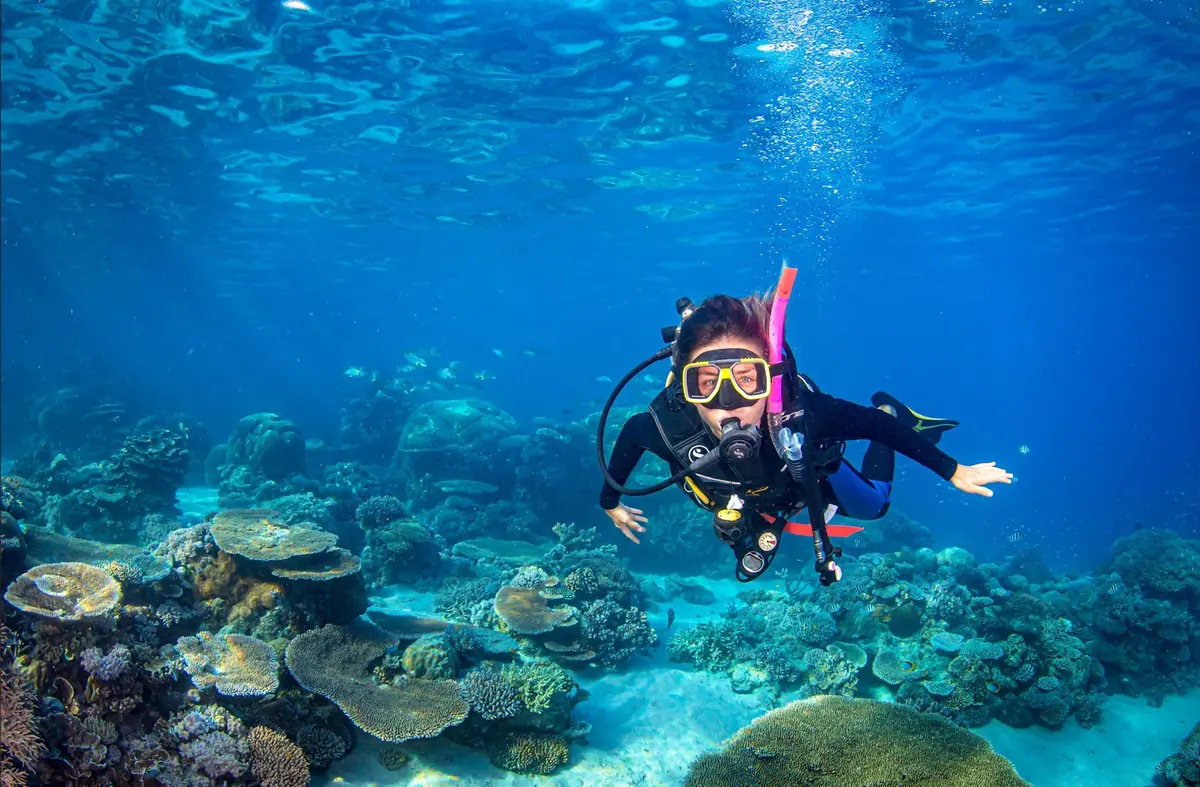 Source greatbarrierreefdiving.com
Planning Your Great Barrier Reef Dive Trip
Planning your dream scuba diving trip to Australia's magnificent Great Barrier Reef is super exciting. It's a vast underwater wonderland, so a little preparation goes a long way to ensure you have the best experience ever. Deciding when to go, what kind of trip suits you best, and where to depart from are key first steps.
The Great Barrier Reef offers incredible diving opportunities year-round, but certain seasons might be better depending on what you hope to see and the conditions you prefer. Thinking about your budget is also crucial, as prices can vary widely based on the duration and luxury level of your adventure. Consider if you'd like a day trip or an extended liveaboard experience.
Here’s a quick overview to get you started:
| Aspect | Details |
|---|---|
| Best Time to Visit | June to November (dry season) offers excellent visibility and calmer seas. December to May (wet season) can bring stingers and rain, but also whale sharks and coral spawning events. |
| Average Trip Cost (per day) | Day trips range from AUD $200-$400. Liveaboards can be AUD $500-$1000+ per day, depending on duration and inclusions. |
| Popular Departure Points | Cairns, Port Douglas, Townsville, Airlie Beach (for the Whitsundays). |
| Type of Trip | Day trips are great for beginners or those short on time. Liveaboards offer multiple dives, access to outer reefs, and a more immersive experience over several days. |
| Certification Level | Introductory dives are available for uncertified divers. Certified divers have access to a wider range of sites. |
Booking your trip well in advance, especially during peak season, is always a smart move. Popular liveaboards and dive operators fill up quickly. Many operators provide all necessary gear, but it's good to double-check what's included in your package.
Think about your accommodation in the departure towns too. Cairns and Port Douglas are bustling hubs with plenty of options, from budget hostels to luxury resorts. Getting there usually involves flying into Cairns International Airport.
Exploring different parts of the reef also offers unique perspectives. The Ribbon Reefs in the far north, accessible mostly by liveaboard, are renowned for pristine corals and abundant marine life. The central and southern sections near the Whitsundays offer spectacular beauty and iconic sites like the Heart Reef. Each area has its own special charm waiting for you to discover.
Choosing Your Dive Operator: What to Look For
Picking the right dive operator for your Great Barrier Reef adventure is almost as important as the dive itself. You want an operator that prioritizes safety, provides excellent service, and respects the delicate marine environment. Don't just go for the cheapest option; your safety and enjoyment are worth investing in.
First and foremost, check their safety record and accreditations. Reputable operators will be certified by recognized agencies like PADI or SSI and adhere to strict Australian safety standards. They should have well-maintained equipment and professional, experienced dive masters and instructors. Ask about their emergency procedures and onboard medical facilities.
The quality of their gear is another big consideration. Are their wetsuits, BCDs, regulators, and masks in good condition and regularly serviced? You don't want to be dealing with faulty equipment when you're 20 meters underwater. Most operators provide gear, but you can usually bring your own if you prefer.
Also, think about the group sizes they cater to. Smaller groups often mean a more personalized experience, more dive time, and better interaction with your dive guide. A good dive operator will maintain a low diver-to-guide ratio, especially for uncertified divers doing introductory dives. This ensures everyone gets adequate attention and feels safe and comfortable.
Environmental commitment is another crucial factor. Look for operators that are eco-certified or demonstrate a strong commitment to marine conservation. They should follow strict guidelines to minimize their impact on the reef, such as proper mooring techniques and educating divers on responsible interactions with marine life. Choosing an eco-conscious operator helps protect this natural wonder for future generations.
Finally, read reviews and ask for recommendations. Online travel forums, Google reviews, and word-of-mouth can provide invaluable insights into other divers' experiences. Pay attention to comments about the crew, the boats, the dive sites visited, and overall customer satisfaction. A well-regarded operator will often have a consistent track record of happy customers and memorable dives.
Beyond the Dives: Exploring the Reef's Ecosystem
While the thrill of scuba diving is undoubtedly the main draw, exploring the Great Barrier Reef's incredible ecosystem goes far beyond just dipping below the surface. It's a vibrant, living canvas teeming with life, a true natural wonder that demands appreciation from every angle. Understanding the reef's diverse inhabitants and its critical role in global biodiversity adds so much more depth to your experience.
The sheer variety of marine life here is mind-boggling. Imagine gliding alongside majestic sea turtles, watching them gracefully navigate the coral gardens. You might spot sleek reef sharks patrolling the deeper sections or encounter curious manta rays soaring through the blue. Clownfish peek out from their anemone homes, while countless species of colorful reef fish dart amongst the coral.
The corals themselves are a spectacle. There are over 600 types of hard and soft corals, creating intricate structures that provide shelter and food for thousands of species. From delicate fan corals swaying in the current to massive brain corals that have been growing for hundreds of years, each formation tells a story of resilience and beauty. Learning to identify different coral types can make your dives even more engaging.
Beyond the iconic creatures, keep an eye out for the smaller, more elusive residents. Tiny nudibranchs in their flamboyant colors, cryptic moray eels peeking from crevices, and camouflaged stonefish blending seamlessly with their surroundings are all part of the reef's rich tapestry. Every dive offers a new discovery if you know where to look.
Many operators offer educational briefings about the reef's ecology and ongoing conservation efforts. These sessions provide fascinating insights into how the reef functions, the challenges it faces, and what's being done to protect it. Understanding the importance of responsible tourism, like not touching corals or marine life, becomes second nature when you grasp the reef's fragility.
Even without diving, snorkeling allows you to witness much of this magic from the surface. The vibrant colors and bustling activity of the shallow reef are easily accessible. Some tours even offer glass-bottom boat rides or semi-submersible tours, providing an alternative way to appreciate the underwater world without getting wet. It's truly an immersive natural history lesson.
Essential Gear and Safety Tips for Your Adventure
Getting ready for your Great Barrier Reef diving adventure involves more than just packing your swimsuit. While most dive operators provide necessary gear, understanding the essentials and some key safety tips will ensure your trip is both enjoyable and secure. Being prepared means you can focus on the incredible underwater world around you.
First, let's talk about the basic gear. You'll need a mask that fits comfortably and doesn't leak, fins that propel you efficiently, and a wetsuit appropriate for the water temperature (which can vary). A well-fitting wetsuit not only keeps you warm but also offers protection from potential stings or abrasions. Many divers prefer to bring their own mask and computer for comfort and familiarity.
Speaking of computers, a dive computer is an essential piece of safety equipment for certified divers. It tracks your depth, bottom time, and no-decompression limits, helping you manage your dive profile safely. If you don't own one, operators usually have them available for rent. Always know how to use your computer before getting in the water.
Sun protection is incredibly important, both above and below the surface. The Australian sun is intense. Pack reef-safe sunscreen, a wide-brimmed hat, sunglasses, and a rash guard or long-sleeved shirt to wear on the boat. Staying hydrated by drinking plenty of water throughout the day will also help prevent seasickness and fatigue.
Always pay close attention to the pre-dive briefings from your dive master or instructor. They will cover important details about the dive site, expected conditions, marine life to look out for, and emergency procedures. These briefings are not just formalities; they contain crucial information for your safety and enjoyment of the dive.
Practicing the buddy system is non-negotiable. Always dive with a buddy and stay within sight of each other. Regular communication, even non-verbal signals, is vital. If you encounter any issues underwater, your buddy is your first point of contact and assistance. Never dive alone, especially in unfamiliar waters.
Finally, always respect marine life. Admire corals and creatures from a distance, and never touch, harass, or feed them. This is not only for your safety but also crucial for protecting the delicate ecosystem of the Great Barrier Reef. Remember, you are a visitor in their home, and responsible diving ensures the reef's health for future generations.
Great Barrier Reef Diving FAQ
How much does it cost to dive the Great Barrier Reef?
The cost varies quite a bit depending on your trip length and what's included. A one-day trip can range from AUD $200-$400, while a multi-day liveaboard can be upwards of AUD $500-$1000 per day.
Do I need to be certified to dive?
No, you don't need to be certified! Most operators offer introductory or "resort" dives where you can experience diving under the direct supervision of an instructor. You’ll get a brief lesson, and then you're off on an amazing underwater adventure.
What is the best time of year to visit the Great Barrier Reef for diving?
Generally, the dry season from June to November is considered the best for diving. You'll typically find calmer seas and excellent visibility, making for some truly spectacular underwater views.
What kind of marine life can I expect to see?
Oh, prepare to be amazed! You can expect to see incredible corals, various reef fish, sea turtles, reef sharks, stingrays, giant clams, and if you’re lucky, maybe even a manta ray or a whale shark during certain seasons.
Are there sharks in the Great Barrier Reef?
Yes, there are sharks, but they are generally shy reef sharks like white-tip and black-tip reef sharks, which are usually harmless to divers. They’re a wonderful part of the ecosystem, and seeing them is often a highlight for divers!
Is it safe to dive the Great Barrier Reef?
Absolutely. Australian dive operators adhere to very strict safety standards. They use well-maintained equipment, and dive masters are highly trained. Always listen to your briefing and follow your instructor's guidance for a safe trip.
What should I bring on my dive trip?
Essentials include swimwear, a towel, sunscreen (reef-safe is best!), a hat, sunglasses, and any personal toiletries. If you have your own mask, snorkel, or dive computer, you might want to bring those too.
Can I go diving if I have a medical condition?
It's always best to check with your dive operator and potentially consult your doctor beforehand. Some medical conditions might require a doctor's clearance before you can dive safely. Be honest on your medical questionnaire.
How long does a typical dive last?
A typical recreational dive usually lasts between 45 and 60 minutes, depending on your air consumption, depth, and the dive plan. Your dive guide will manage the timing for everyone's safety and enjoyment.
Do I need to be a strong swimmer to dive?
While you don't need to be an Olympic swimmer, a reasonable level of comfort and confidence in the water is helpful. For introductory dives, you'll be closely supervised. Being comfortable in the ocean just makes everything easier.
Can children go diving?
Children as young as 10 years old can get certified as Junior Open Water Divers. For introductory dives, some operators may have minimum age requirements, usually around 12, but always check directly with the operator.
What's the water temperature like?
The water temperature varies with the season. In the summer (December-February), it can be around 28-30°C (82-86°F). In winter (June-August), it might drop to 23-25°C (73-77°F). A thin wetsuit is usually provided if needed.
Are there any environmental concerns I should be aware of?
Yes, the Great Barrier Reef faces threats like climate change and coral bleaching. As a visitor, you can help by choosing eco-certified operators, not touching marine life or corals, and using reef-safe products.
Can I take photos underwater?
Definitely! Many divers bring underwater cameras, and some operators even offer camera rentals or professional photographers. Just remember to focus on enjoying the moment too, and don't disturb marine life for a photo.
What's the difference between a day trip and a liveaboard?
A day trip is a single day out to the reef, returning to shore in the evening, great for a quick experience. A liveaboard involves staying on a boat for multiple days and nights, allowing you to visit more remote sites and do more dives, including night dives.
Until Next Time!
Well, folks, that about wraps up our incredible journey into the dazzling depths of Australia's Great Barrier Reef. I hope you've enjoyed virtually exploring its vibrant corals and amazing marine life as much as I've enjoyed sharing it with you. A massive thank you for diving in and reading along! Don't be a stranger – we've got plenty more adventures planned for you, so make sure to pop back again soon for more travel tales, tips, and inspiration. Safe travels, whether real or imagined!