Dive In! Exploring Los Angeles' Underwater World
When you think of Los Angeles, images of Hollywood stars, bustling freeways, and perhaps a sunny beach come to mind. But beneath the Pacific waves just off the coast of this sprawling metropolis lies a surprisingly vibrant underwater world waiting to be explored. Forget the traffic for a moment, grab your mask and fins, because L.A. offers some truly unique scuba diving experiences, from kelp forests teeming with life to fascinating wrecks, all within a stone's throw of the city.
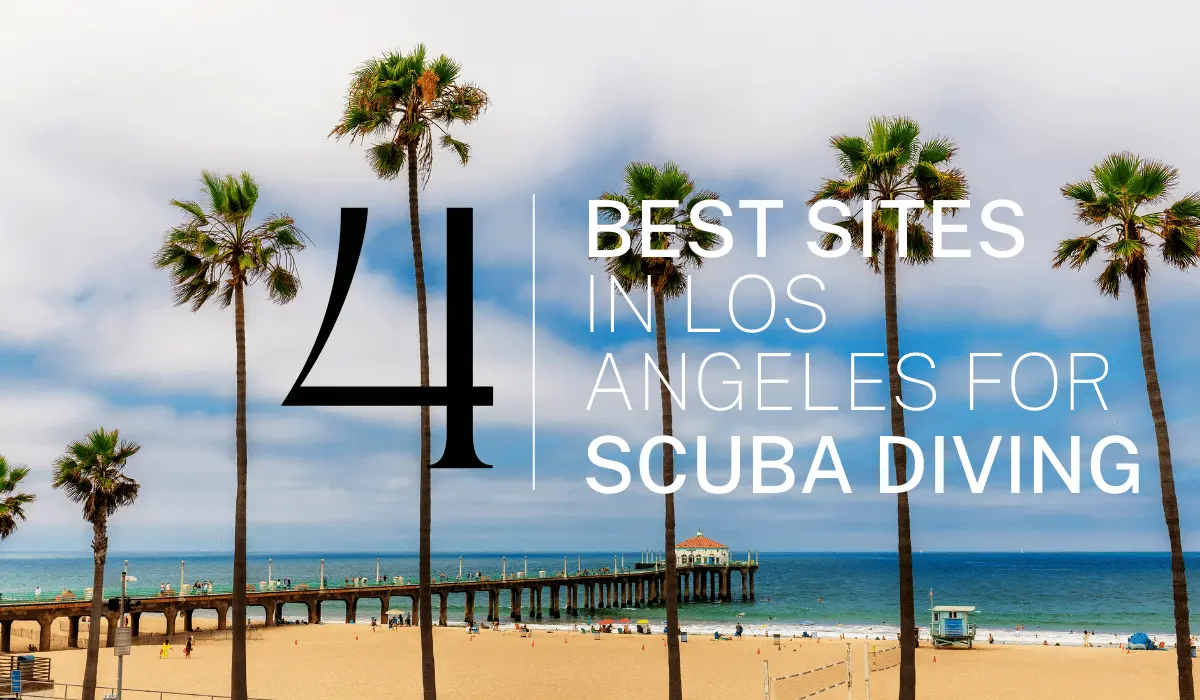 Source divingpicks.com
Best Dive Sites Near Los Angeles for Underwater Exploration
Los Angeles might be famous for its beaches, but just beneath the surface, a whole other world awaits divers. The Southern California coastline, especially around LA, is home to an incredible array of dive sites, each offering unique underwater landscapes and marine encounters. From vibrant kelp forests to fascinating wreck dives, there's something for every skill level, just a short boat ride or drive away.
One of the absolute crown jewels for any diver in the LA area is Catalina Island. Its clear waters and abundant marine life make it a world-class destination. Casino Point, often called the "Underwater Park," is a fantastic shore dive accessible directly from Avalon, perfect for both beginners and experienced divers. You can explore giant kelp forests, watch schools of Garibaldi fish, and even spot a leopard shark or two.
Beyond Catalina, the Channel Islands National Park, including islands like Anacapa and Santa Cruz, offers some truly spectacular boat diving experiences. These protected waters are teeming with diverse ecosystems, featuring dramatic underwater canyons, sea caves, and a dense population of marine mammals. Picture yourself diving alongside playful sea lions or observing majestic bat rays gliding through the water. The visibility here can be truly breathtaking on a good day.
For those looking for something closer to the mainland, the Palos Verdes Peninsula provides several shore and boat dive opportunities. While sometimes more challenging due to currents or surge, these sites can reveal fascinating rock formations, colorful anemones, and a variety of fish species. Local dive shops often organize trips to these spots, ensuring you have the best conditions for a safe and enjoyable dive. Always check local conditions before heading out.
Here’s a quick look at some popular spots:
| Dive Site | Location Type | Highlights | Best For | Typical Depth (feet) |
|---|---|---|---|---|
| Casino Point, Catalina Island | Shore/Boat | Kelp forests, Garibaldi, octopi, ease of access | All levels, training, night dives | 20-100 |
| Anacapa Island (Channel Islands) | Boat | Sea lion encounters, sea caves, vibrant reefs | Intermediate to Advanced | 30-130+ |
| Palos Verdes Peninsula | Shore/Boat | Rocky reefs, anemones, diverse fish | Intermediate to Advanced | 20-80 |
| Malibu Maru Wreck | Boat (Wreck) | Artificial reef, schooling fish, unique exploration | Advanced (wreck specialty recommended) | 60-80 |
Whether you're exploring the accessible wonders of Casino Point or venturing out to the pristine Channel Islands, the dive sites around Los Angeles promise unforgettable underwater adventures. Each location has its own charm and set of wonders waiting to be discovered, making LA a surprisingly excellent hub for scuba diving enthusiasts.
Gear Rental and Dive Shops for Your LA Adventure
So, you’re ready to dive into the amazing underwater world of Los Angeles, but you don't have all the gear? No worries at all! LA is home to a fantastic selection of dive shops that cater to every need, from first-timers looking to rent equipment to seasoned pros seeking specialized gear or services. Finding the right shop is crucial for a smooth and enjoyable diving experience here.
Most dive shops in the greater Los Angeles area offer comprehensive rental packages. These usually include everything you need: a wetsuit (and often a hood, gloves, and boots for the cooler California waters), a BCD (Buoyancy Control Device), regulators, gauges, and fins. Tanks are almost always part of the rental, sometimes even with nitrox fills if you're certified for it. It's super convenient and ensures you have high-quality, well-maintained equipment for your dive.
When choosing a dive shop, look for one that prioritizes customer service and safety. A good shop will have knowledgeable staff who can help you select the right size and type of gear, making sure everything fits comfortably. They should also be able to provide valuable local insights, like current water conditions, best dive spots for the day, and even organize guided trips or boat charters. Don't be shy about asking questions; the staff are usually passionate divers themselves and love to share their expertise.
Many of these shops are also PADI, NAUI, or SSI certified dive centers. This means they not only rent gear but also offer a wide range of scuba diving courses, from introductory experiences to advanced certifications. This is a huge plus if you’re looking to get certified or continue your dive education right here in LA. You can often rent gear, take classes, and even buy your own equipment all under one roof.
Some popular shops known for their rentals and services include Eco Dive Center, Ocean Adventures, and Malibu Divers, among many others scattered throughout the region. Each has its own unique vibe and community, so it's worth checking out a couple to see which one feels like the best fit for you. Supporting local dive shops helps maintain the diving community and ensures access to quality resources for everyone.
Don't let not owning gear hold you back from exploring the amazing underwater world around Los Angeles. With so many excellent dive shops offering rentals, you can easily gear up and get ready for an unforgettable adventure beneath the waves.
Scuba Diving Certification in Los Angeles: Your Gateway to Underwater Worlds
Dreaming of exploring vibrant kelp forests or swimming alongside playful sea lions in the waters off Los Angeles? Getting your scuba diving certification is the first exciting step to turning those dreams into reality. LA is a fantastic place to learn how to dive, with numerous reputable dive centers ready to guide you through the process. Whether you're a complete beginner or looking to advance your skills, there's a certification course perfect for you.
The most common and widely recognized certification agencies are PADI (Professional Association of Diving Instructors), NAUI (National Association of Underwater Instructors), and SSI (Scuba Schools International). All of them offer similar entry-level courses, typically called Open Water Diver, which equip you with the fundamental knowledge and skills needed to dive safely and confidently anywhere in the world. The choice of agency often comes down to the dive shop you prefer, as most shops are affiliated with one or two of these organizations.
An Open Water Diver course usually consists of three main phases. First, there's the knowledge development part, which you can often complete online at your own pace through e-learning modules. This covers dive theory, equipment, safety procedures, and marine environment awareness. It's really interesting stuff that builds a strong foundation for your underwater adventures.
Next up are the confined water dives, typically conducted in a swimming pool. Here, under the watchful eye of an instructor, you'll learn and practice essential scuba skills, like clearing your mask, recovering your regulator, and maintaining buoyancy. This phase is all about building comfort and competence in a controlled environment before heading into the open ocean. It's a lot of fun and a great way to get used to breathing underwater.
Finally, the course culminates in open water dives, usually four of them, conducted in a real ocean environment. In Los Angeles, these are often done at local sites like Catalina Island's Casino Point or other accessible locations. During these dives, you'll apply all the skills you've learned in a natural setting, exploring the amazing marine life Southern California has to offer. Once you successfully complete these dives, congratulations, you'll be a certified Open Water Diver!
Beyond the initial certification, many LA dive centers also offer advanced courses like Advanced Open Water, Rescue Diver, and various specialty certifications (e.g., Wreck Diver, Night Diver, Enriched Air Diver). These courses allow you to deepen your knowledge, refine your skills, and explore different aspects of diving. Getting certified in Los Angeles opens up a lifetime of exploration, not just locally, but in incredible dive destinations around the globe.
Safety Tips for Diving in Southern California Waters
Scuba diving in Southern California offers some truly amazing experiences, from swimming through kelp forests to encountering playful sea lions. However, like any adventurous activity, it comes with inherent risks. Ensuring your safety is paramount, and by following some key guidelines, you can significantly enhance your dive experience and keep yourself, and your buddy, safe. The waters here are beautiful, but they also demand respect.
First and foremost, always dive within your certification limits and experience level. Don't attempt dives that are beyond your training or comfort zone. If you're new to the area, consider hiring a local guide or joining a guided boat trip; their expertise about local currents, entry points, and marine life can be invaluable. Conditions can change rapidly in the ocean, so staying informed is crucial.
Southern California waters are known for being on the cooler side compared to tropical destinations. This means proper thermal protection is essential. A good 7mm wetsuit, along with a hood, gloves, and boots, is highly recommended to prevent hypothermia and allow you to enjoy longer dives. Being cold can distract you and impact your judgment, so staying warm is a key safety measure.
Visibility can vary greatly here, from crystal clear to quite murky depending on recent weather, surge, and plankton blooms. Always check the day's conditions before diving. If visibility is poor, stick close to your buddy and use your dive light, even during the day, to enhance visibility. Currents can also be a factor, especially around islands or points. Pay attention to briefings and consider using a surface marker buoy (SMB) to make yourself visible to boats.
Another critical safety tip is to always dive with a buddy and maintain contact throughout the dive. The buddy system is not just a recommendation; it's a fundamental principle of safe diving. Regularly check your air supply, depth, and bottom time with your computer or gauges. Plan your dive and then dive your plan, always leaving plenty of air in your tank for a safety stop and ascent. Proper buoyancy control is also vital, both for your safety and for protecting the delicate marine environment.
Finally, be aware of marine life. While most creatures are harmless, never touch, harass, or feed marine animals. Maintain a respectful distance and observe them in their natural habitat. Understanding potential hazards, like stinging hydroids or sea urchins, will help you avoid accidental contact. By adhering to these safety practices, you're set for many memorable and safe dives in the incredible underwater world of Los Angeles.
Frequently Asked Questions (FAQ) About LA Scuba Diving
What is the best time of year to go scuba diving in Los Angeles?
Generally, late summer and early fall (August to October) offer the best diving conditions in Los Angeles. During these months, the water temperatures are at their warmest, and visibility tends to be at its best due to less storm activity and calmer seas. However, you can technically dive year-round, just be prepared for cooler temperatures and potentially choppier conditions in winter and spring.
What kind of marine life can I expect to see while diving in LA?
You can expect to see a rich diversity of marine life! Common sightings include the bright orange Garibaldi (California's state fish), various types of rockfish, señoritas, sheephead, and colorful nudibranchs. You might also encounter leopard sharks, bat rays, octopi, sea lions, harbor seals, and even occasional dolphins or whales in deeper waters.
Is the water in Southern California cold for diving?
Yes, compared to tropical destinations, Southern California waters are definitely on the cooler side. Temperatures typically range from the low 50s°F (around 10-12°C) in winter to the high 60s°F (around 18-20°C) in late summer/early fall. Proper thermal protection, like a 7mm wetsuit, hood, gloves, and boots, is essential for comfort.
Do I need to wear a thick wetsuit for diving in LA?
Absolutely! A 7mm wetsuit is highly recommended for most divers in Southern California to stay comfortable and warm. Some divers even opt for drysuits, especially during the colder months or for longer dives. Being properly insulated helps you enjoy your dive without feeling chilled.
How much does it cost to go scuba diving in Los Angeles?
Costs can vary. A two-tank boat dive trip usually ranges from $100-$200, excluding gear rentals. Full gear rental can add another $50-$75 per day. Scuba certification courses typically cost between $400-$700, depending on the agency and included materials. Shore diving is generally free once you have your gear.
Can beginners go scuba diving in Los Angeles?
Yes, absolutely! There are many beginner-friendly dive sites, particularly at Catalina Island's Casino Point. Many dive shops offer "Discover Scuba Diving" experiences for those who want to try diving without full certification, as well as Open Water Diver courses for beginners looking to get certified.
Where can I get certified for scuba diving in Los Angeles?
Los Angeles has numerous reputable dive shops and centers that offer PADI, NAUI, and SSI certification courses. Popular choices include Eco Dive Center, Ocean Adventures, and Malibu Divers, among others. It's a good idea to research a few and choose one that fits your learning style and schedule.
What is Catalina Island like for diving?
Catalina Island is a phenomenal dive destination, often considered the best in Southern California. It offers excellent visibility, abundant marine life, and easy shore access at places like Casino Point. It's famous for its vibrant kelp forests and is suitable for divers of all experience levels.
Are there shark sightings while diving in Los Angeles?
Yes, but generally, the sharks you'll see are harmless to humans. Common sightings include docile leopard sharks, horn sharks, and occasionally small angel sharks. Great white sharks are rare in dive areas, and attacks are extremely uncommon. Divers often consider shark sightings a thrilling highlight!
What is the typical visibility like for diving in LA?
Visibility in LA waters can be quite variable. On good days, especially around the Channel Islands or Catalina, you might experience 40-80+ feet (12-24+ meters) of visibility. However, it can also drop to 10-20 feet (3-6 meters) after storms or due to plankton blooms. It's always best to check local conditions before planning a dive.
Do I need to own my own scuba gear to dive in Los Angeles?
No, you don't! Most dive shops in Los Angeles offer full gear rentals, including wetsuits, BCDs, regulators, tanks, and fins. This makes it very convenient for travelers or those just starting out. As you get more serious, you might consider investing in your own mask, fins, and snorkel first.
Are there any good shore diving spots around Los Angeles?
Yes, there are! While many premier sites require a boat, Catalina Island's Casino Point is an excellent and very accessible shore dive. Other mainland shore dive spots include parts of Palos Verdes Peninsula, though these can sometimes be more challenging due to entry/exit conditions and currents. Always check conditions and tide charts.
How long does it take to get scuba diving certified in Los Angeles?
The Open Water Diver certification course typically takes about 3-4 days to complete if done intensively (e.g., over a long weekend). This includes academic study (which can be done online beforehand), confined water (pool) sessions, and four open water (ocean) dives. Many people spread it out over a couple of weekends.
What is a Dive Master, and do I need one for my dives in LA?
A Dive Master is a professional diver who is trained to supervise certified divers and assist instructors with training. While you don't always need one for every dive if you're certified and familiar with the site, hiring a local Dive Master or joining a guided trip is highly recommended, especially when exploring new or challenging LA dive sites. They can enhance safety and point out local marine life.
What if I get seasick on a boat dive trip from Los Angeles?
Seasickness can definitely be a concern, especially on longer boat rides to sites like the Channel Islands. It's recommended to take over-the-counter motion sickness medication (like Dramamine or Bonine) an hour or two before boarding. Staying on deck, looking at the horizon, and avoiding heavy or greasy foods can also help. Many experienced divers swear by specific remedies, so ask your dive shop for their tips!
Thanks for Diving In!
And there you have it – a taste of the incredible underwater world waiting just off the vibrant coast of Los Angeles. From playful sea lions to fascinating kelp forests and intriguing wrecks, diving in LA offers a unique adventure you won't soon forget. We hope you've enjoyed this virtual deep dive with us! Thanks so much for taking the time to read, and we'd love to see you back here again soon for more exciting explorations and travel tips. Until then, happy bubbles!