Scuba Diving Washington: Yep, It's Actually Amazing Down There
So, you might picture Washington State with its misty mountains, evergreen forests, and maybe a cozy coffee shop. But what if I told you there’s an entire, surprisingly vibrant world teeming with life just beneath the surface of our often-chilly waters? Forget those tropical brochures for a second; scuba diving in Washington offers a truly unique and utterly captivating experience, revealing a side of the Pacific Northwest that most people never even imagine.
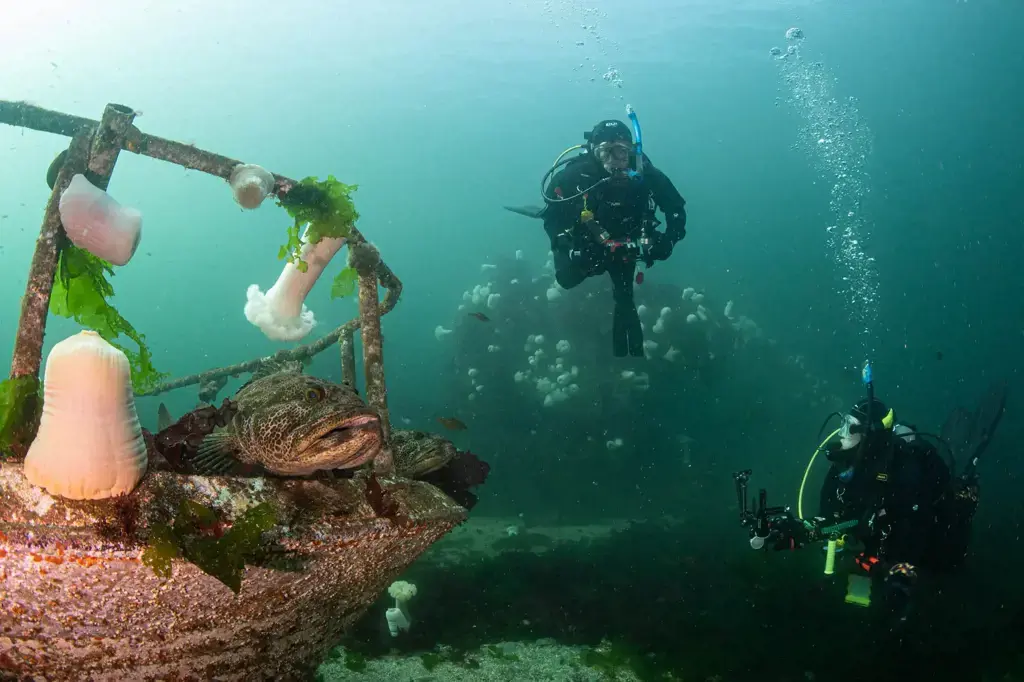 Source quartzmountain.org
Best Dive Sites for Scuba Diving in Washington
Washington state, often celebrated for its majestic mountains and lush forests, holds an equally spectacular secret beneath its shimmering waters.
The Puget Sound and surrounding areas are home to an incredible array of dive sites, each offering a unique glimpse into the Pacific Northwest's vibrant underwater world.
You might be surprised by the clarity and abundance of marine life lurking just offshore, often a stone's throw from bustling urban centers.
Whether you're a seasoned cold-water diver or just starting your underwater adventures, there’s a perfect spot waiting for you to explore.
Let's take a look at some of the must-visit destinations for scuba diving in Washington.
These spots are famed for their accessibility, diverse ecosystems, and the sheer joy they bring to divers.
| Dive Site | Location | Key Features | Best For |
|---|---|---|---|
| Edmonds Underwater Park | Edmonds | Artificial reefs, sunken structures, lots of fish and invertebrates. | All levels, especially photographers. |
| Alki Seacrest Park (Cove 2) | Seattle | Known for Giant Pacific Octopuses, accessible shore entry, popular. | Beginners, octopus spotting. |
| Hood Canal (various sites) | Olympic Peninsula | Unique walls, vibrant invertebrate life, sometimes strong currents. | Experienced divers, drift diving. |
| San Juan Islands | Northern Puget Sound | Kelp forests, drift dives, possibility of larger marine mammals. | Advanced divers, marine mammal enthusiasts. |
| Saltwater State Park | Des Moines | Artificial reef system, great for training and finding small critters. | Beginners, training, macro photography. |
Edmonds Underwater Park, for instance, is a true gem, designed specifically for divers and marine life.
It's an easy shore dive, making it perfect for those wanting to practice skills or just enjoy a relaxed exploration.
Alki Seacrest Park, fondly known as Cove 2, is another fantastic option, especially if you're hoping to encounter the elusive and majestic Giant Pacific Octopus.
Its urban setting makes it incredibly convenient for Seattle-based divers.
For those seeking a bit more adventure, the Hood Canal offers stunning wall dives and can provide exhilarating drift experiences, where the current gently carries you past a kaleidoscope of life.
Further north, the San Juan Islands promise breathtaking kelp forests and the chance to witness larger marine animals, although these sites often require boat access and are best for more experienced divers.
No matter where you choose to drop in, Washington's dive sites are consistently rated among the best cold-water diving experiences in the world, offering crystal-clear visibility on good days and an unforgettable underwater spectacle.
What You'll See Underwater in Washington
Diving in Washington is a revelation for many.
Far from the tropical stereotypes, the Pacific Northwest waters boast a unique and incredibly diverse ecosystem that will amaze even the most seasoned divers.
The cold, nutrient-rich waters support an astonishing array of marine life, making every dive an exciting treasure hunt.
One of the true stars of Washington's underwater show is the magnificent Giant Pacific Octopus.
These intelligent and often enormous creatures can be found tucked away in crevices or gracefully gliding across the seafloor.
Spotting one is a truly magical experience that leaves a lasting impression.
You'll also frequently encounter the peculiar and charming Wolf Eels, often peering curiously from their rocky dens.
Don't let their name fool you; they are generally quite shy and fascinating to observe.
The rocky reefs and artificial structures are teeming with various species of colorful Rockfish and Lingcod, which are often quite large and surprisingly docile.
Keep an eye out for vibrant Nudibranchs, often referred to as "sea slugs," which come in an incredible array of shapes, sizes, and dazzling colors, making them a favorite subject for underwater photographers.
The seafloor is a living tapestry, carpeted with various Anemones, from the giant Green Anemones to delicate Plumose Anemones, swaying gently in the subtle currents.
Crabs of all sorts scuttle across the bottom, and countless Starfish, including the impressive Sunflower Sea Star, adorn the rocks.
Beyond the invertebrates, you might be lucky enough to spot Harbor Seals playfully observing you from a distance, or even Sea Lions cruising by, especially in certain areas and times of the year.
The underwater topography itself is captivating, featuring dense kelp forests that create an ethereal, swaying canopy, intricate rock formations, and intentionally sunken structures that serve as artificial reefs, providing habitat for countless species.
Despite the cool temperatures, the underwater world here is surprisingly vibrant and colorful, largely thanks to the rich palette of invertebrates, sponges, and algae.
Every dive offers something new, ensuring that your explorations beneath the surface of Washington’s waters will be nothing short of breathtaking.
Essential Gear for Washington Scuba Diving
Diving in the chilly, yet incredibly rewarding, waters of Washington requires a specific set of gear to ensure both your comfort and safety.
Unlike tropical diving, where a swimsuit and a thin wetsuit might suffice, cold-water diving in the Pacific Northwest demands a bit more preparation and specialized equipment.
The number one piece of gear you'll need, almost without exception, is a drysuit.
A drysuit provides a complete seal, preventing water from entering and allowing you to wear insulating layers underneath, keeping you wonderfully warm throughout your dive.
This is crucial for extended bottom times and multiple dives in a day.
Beneath your drysuit, you'll need thick undergarments designed for cold weather.
These often consist of fleece or synthetic materials that wick away moisture and provide excellent thermal insulation, trapping a layer of warm air around your body.
Don't forget the extremities.
A thick hood, typically 5-7mm, is essential to prevent heat loss from your head, which accounts for a significant portion of your body's heat regulation.
Equally important are good quality, thick gloves (5-7mm or dry gloves) and dive boots, which fit snugly inside your fins.
Visibility can vary in Washington's waters, and even on clear days, exploring wrecks or rocky crevices benefits from a powerful dive light.
A strong primary light, along with a smaller backup light, will illuminate the vibrant colors of marine life and help you navigate through darker areas.
Your regulator system is another critical component.
Ensure you have cold-water rated regulators.
These are specifically designed to resist freezing in frigid temperatures, which can be a serious safety hazard if your regulator free flows uncontrollably.
Because drysuits add significant buoyancy, you'll likely need more weight than you'd typically use in a wetsuit in warmer waters.
A proper weight system, often integrated into a BCD or a weight belt, is essential for achieving neutral buoyancy and making controlled descents.
Finally, always prioritize safety gear.
A Surface Marker Buoy (SMB) is vital for indicating your position to boats when you surface.
A sharp dive knife or cutting tool is also a must-have for entanglement situations.
Of course, a reliable dive computer is indispensable for monitoring your depth, bottom time, and decompression limits.
Investing in the right gear makes all the difference for a comfortable, safe, and truly enjoyable scuba diving experience in Washington's spectacular cold waters.
Safety Tips and Local Regulations for Washington Diving
Scuba diving in Washington is an exhilarating experience, but like any adventure sport, it comes with inherent risks that can be significantly mitigated by adhering to strict safety protocols and understanding local regulations.
The unique conditions of cold water and often dynamic currents in the Puget Sound demand a cautious and prepared approach from every diver.
First and foremost, always dive with a buddy.
The buddy system is the cornerstone of dive safety, ensuring that someone is always there to assist you in an emergency, share gas, or simply point out incredible marine life.
Never dive alone, especially in unfamiliar or challenging conditions.
Before every dive, meticulously check the local conditions.
Tides and currents in Washington can be particularly strong and change rapidly, sometimes creating challenging situations.
Consult tide charts and current predictions for your specific dive site.
Visibility can also fluctuate dramatically, so be prepared for varying conditions.
Proper training is non-negotiable for cold-water diving.
While an open water certification is your starting point, obtaining a drysuit certification is highly recommended, if not essential, for diving comfortably and safely in Washington's waters.
Additional training in specialties like drift diving or enriched air (nitrox) can further enhance your skills and safety.
Always respect the marine environment.
Look, but don't touch, is a golden rule to protect the delicate ecosystems you're exploring.
Avoid harassing marine life, disturbing corals, or collecting souvenirs unless specifically permitted.
Leave nothing but bubbles, take nothing but pictures.
Familiarize yourself with local regulations and marine park rules.
Many areas, like Edmonds Underwater Park, have specific rules regarding fishing, spearfishing, and disturbing the marine environment.
Some areas are designated "no-take" zones to protect fragile populations.
Ignorance of these rules is not an excuse, so do your homework before entering the water.
Emergency preparedness is paramount.
Know the location of the nearest recompression chamber (typically located in Seattle).
Carry a fully charged phone or communication device.
Be registered with Divers Alert Network (DAN) and have their emergency contact information readily accessible.
Conduct thorough gear checks, have enough air for your planned dive, and always stick to your dive plan, including depth and time limits.
By following these safety tips and respecting the local regulations, you can ensure a safe, enjoyable, and memorable scuba diving experience in the magnificent underwater world of Washington.
Frequently Asked Questions About Scuba Diving in Washington
Is the water too cold for enjoyable scuba diving in Washington?
While the water is certainly cold compared to tropical destinations, often ranging from 45-55°F (7-13°C), it's absolutely enjoyable with the right gear, primarily a drysuit and proper undergarments.
Many divers find the cold water invigorating and the clarity often superior to warmer seas.
Do I need a drysuit to dive in Washington?
While technically you can dive in a thick wetsuit (7mm or semi-dry), a drysuit is highly recommended for comfort, warmth, and extended bottom times in Washington's cold waters.
It makes a huge difference to your overall experience.
What kind of marine life will I see underwater in Washington?
You'll encounter an incredible array of life, including Giant Pacific Octopuses, Wolf Eels, various Rockfish, Lingcod, Nudibranchs, Anemones, Crabs, Starfish, and sometimes Harbor Seals or Sea Lions.
The biodiversity is truly impressive.
Is Washington good for beginner scuba divers?
Yes, many sites like Edmonds Underwater Park and Alki Seacrest Park (Cove 2) are excellent for beginners, offering easy shore entry and fascinating marine life in relatively shallow depths.
However, cold-water training is highly recommended.
Are there dive shops and rental gear available in Washington?
Absolutely.
There are numerous well-equipped dive shops in major cities like Seattle, Tacoma, and Everett, as well as near popular dive sites.
They offer gear sales, rentals, air fills, and certifications.
What about visibility underwater in Washington?
Visibility varies greatly depending on the dive site, tides, currents, and season, but it can range from 10 feet (3m) to upwards of 60 feet (18m) on a good day.
Winter months often offer the best visibility.
Are there strong currents to worry about?
Yes, currents can be significant in certain areas, particularly in channels and near tidal exchanges, especially in places like the Hood Canal or San Juan Islands.
Always check tide and current charts, and dive within your experience level or with a local guide.
What is the best time of year to scuba dive in Washington?
Scuba diving in Washington is a year-round activity.
While summer offers warmer topside weather, winter often brings the best underwater visibility and unique marine encounters, making it popular for dedicated divers.
Are there any wreck dives in Washington?
Yes, Washington has several intriguing wreck dives, both intentionally sunk for diving and some historical wrecks.
These dives often require advanced certification and experience due to depth and currents.
Do I need a local dive guide?
For unfamiliar sites, especially those with currents or specific navigation challenges, hiring a local guide or diving with experienced locals is highly recommended.
They can enhance your safety and help you find the best spots and marine life.
Is it dangerous to dive with the marine life, like seals or octopus?
Generally, Washington's marine life is not dangerous to divers.
It's important to observe from a respectful distance and avoid touching or harassing animals.
Seals and sea lions are curious but should be given space.
What's the average water temperature in Puget Sound?
The water temperature in Puget Sound typically ranges from about 45°F (7°C) in winter to 55°F (13°C) in late summer/early autumn.
It's consistently chilly, making drysuits essential.
Are there specific certifications I should get for diving in Washington?
Beyond your Open Water certification, a Drysuit Diver certification is crucial.
Additional beneficial certifications include Peak Performance Buoyancy, Enriched Air Diver (Nitrox), and Navigation.
Can I see Orcas or larger whales while diving in Washington?
While Orcas and other whales frequent Washington's waters, seeing them underwater while scuba diving is extremely rare and usually by chance.
Most whale watching is done from boats on the surface.
Are there any unique experiences or phenomena I might encounter?
Absolutely.
You might witness bioluminescence during night dives, spectacular feeding frenzies, or even find ancient Native American artifacts (though these should never be disturbed).
The vibrant invertebrate life is unique to cold-water ecosystems.
Thanks for Diving In!
Well, that about wraps up our little journey into the incredible world of scuba diving here in Washington. We really hope you enjoyed getting a glimpse of the vibrant life and unique experiences waiting beneath the waves. Thanks so much for taking the time to read along! There's always another adventure just around the corner, so don't be a stranger. Keep exploring, and we'll catch you back here soon for more stories, tips, and inspiration. Happy diving!