Learn to Scuba Dive in LA: Finding Your Perfect Class
Ever looked out at the Pacific Ocean from a bustling LA beach and wondered what secrets lie beneath the waves? While the city offers endless entertainment on land, there's a whole other world waiting for you just offshore. If you're ready to trade traffic for vibrant marine life and concrete for the peaceful blue, getting started with scuba diving classes in Los Angeles is your ticket to an incredible underwater adventure.
 Source lascubadiving.com
Choosing Your Dive Path: PADI, SSI, or NAUI?
So, you're ready to dive in and get certified! That's fantastic. But before you pick a class, you might hear about different acronyms like PADI, SSI, and NAUI. Don't worry, it's not as complicated as it sounds. These are simply the three main training agencies that set the standards for diver education worldwide.
Think of them like different universities offering the same degree; the core knowledge and skills you learn are largely the same. All three agencies focus on teaching you how to safely enjoy the underwater world, covering everything from equipment use to emergency procedures. Your certification will be recognized globally, no matter which agency you choose.
The biggest difference often comes down to the specific dive shop you pick and their instructors. Many dive shops in Los Angeles will be affiliated with one or two of these agencies. Sometimes, one agency might emphasize slightly more practical experience over theory, or vice-versa, but these are usually minor variations in how the content is delivered.
Ultimately, the best choice for you often comes down to personal preference, the instructor's style, and convenience. Chat with a few local dive shops to see which agency they teach and which program feels like the right fit for your learning style. Don't stress too much about it; the goal is to get trained safely and effectively.
Here’s a quick overview of the main differences you might encounter:
| Feature | PADI (Professional Association of Diving Instructors) | SSI (Scuba Schools International) | NAUI (National Association of Underwater Instructors) |
|---|---|---|---|
| Global Recognition | Largest and most widely recognized globally. | Strong global presence, rapidly growing. | Well-regarded, particularly strong in North America. |
| Instructor Focus | Instructor-led learning, often very structured. | Emphasis on self-study with instructor guidance. | Known for high standards and instructor empowerment. |
| Course Materials | Digital and physical manuals, e-learning widely available. | Often integrated digital learning, flexible approach. | Traditional textbook approach, though digital is available. |
| Flexibility | Standardized course structure across the board. | More flexibility in course scheduling and pacing. | Instructor has significant autonomy in teaching. |
What to Expect During Your Scuba Diving Course in LA
Embarking on your scuba diving journey in Los Angeles is an incredibly exciting prospect. You're about to unlock a whole new world! But what does the actual process look like? Generally, your Open Water Diver certification course, regardless of the agency, is divided into three main parts: academic learning, confined water training, and open water dives.
First up is the academic portion. This is where you'll learn all the essential theory behind diving. You'll cover topics like dive physics (how pressure affects your body and equipment), dive physiology (how your body reacts to the underwater environment), equipment knowledge, safety procedures, and how to plan your dives. Many courses now offer convenient e-learning options, allowing you to complete most of this at your own pace from home before even setting foot in a classroom or dive shop.
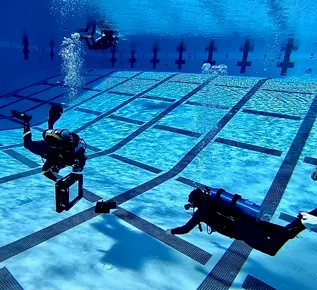
Once you've got the theory down, it's time to hit the water for confined water training. In LA, this usually means heading to a swimming pool, or sometimes a very calm, shallow section of the ocean. Here, your instructor will guide you through a series of fundamental skills. You'll learn how to assemble your gear, clear your mask underwater, recover your regulator, control your buoyancy, and practice emergency procedures.
This part is super important for building your confidence and muscle memory in a controlled environment. You'll repeat these skills until you feel comfortable and proficient. It’s a safe space to make mistakes and learn from them without the added complexities of the open ocean. Your instructor will be right there, providing personalized feedback and ensuring you master each skill before moving on.
Finally, the most anticipated part: the open water dives! This is where you get to put everything you've learned into practice in the actual ocean. For Los Angeles students, these dives often take place at local shore diving spots or, more commonly, during boat trips to nearby islands like Catalina or the Channel Islands. You'll complete a series of required dives, typically four, over two days.
During these dives, you’ll demonstrate the skills you practiced in confined water, but now in a real-world setting. You'll also get to experience navigating underwater and, most importantly, simply enjoy the incredible marine life. Your instructor will supervise every step of the way, ensuring your safety and comfort as you explore the amazing underwater landscapes of Southern California.
Top Scuba Diving Spots Near Los Angeles for Beginners
Congratulations, future diver! Once you've earned your Open Water certification, the real fun begins: exploring the incredible underwater world around Los Angeles. Southern California is surprisingly rich with marine life and beautiful dive sites, many of which are perfect for newly certified divers. You don't have to be an expert to enjoy these spots.
One of the absolute gems for beginners is Catalina Island. Just an hour's ferry ride from Long Beach or San Pedro, Catalina offers crystal-clear waters, vibrant kelp forests, and an abundance of marine life. Casino Point Dive Park in Avalon is particularly famous. It's a protected marine sanctuary, making it very safe and easy to navigate.
At Casino Point, you'll encounter Garibaldi (California's state fish), bright orange and abundant, along with senoritas, leopard sharks, and perhaps even some octopuses tucked away. The easy shore entry and calm conditions make it ideal for practicing skills and simply enjoying your first real ocean dives. There are also plenty of boat dives around Catalina that cater to all levels.
Another fantastic option, though often requiring a boat trip, is the Channel Islands National Park. Islands like Anacapa and Santa Cruz are simply breathtaking. While some spots might be deeper or have stronger currents, there are many sheltered coves and shallow areas that are perfect for new divers. The kelp forests here are incredibly lush and teeming with life.
You might spot sea lions playfully swimming by, schools of fish, and colorful invertebrates clinging to the rocks. The visibility can be spectacular, especially on calm days. Many dive charters from Ventura or Santa Barbara cater to these islands and will have guides knowledgeable about the best beginner-friendly spots. It's truly an unforgettable experience.
Closer to home, if you're looking for shore diving options without a boat, places like La Jolla Shores in San Diego (a bit of a drive, but worth it) offer excellent conditions. While not technically "in" Los Angeles, it's a popular choice for LA divers willing to travel south. The Scripps Canyon and the marine protected area here are home to a diverse ecosystem.
Closer to LA, some local beaches like Palos Verdes offer decent diving on calmer days, but these can be more challenging with surf and entry/exit points. Always check conditions and dive with experienced buddies or a guide when exploring these areas. Regardless of where you go, the underwater world near Los Angeles is waiting to be explored by you!
Beyond Certification: Advanced Scuba Training and Specialties
Getting your Open Water certification is just the beginning of your diving adventure! The underwater world is vast and diverse, and there's always more to learn and explore. Once you're comfortable with the basics, you might find yourself yearning for new skills, deeper dives, or specific underwater experiences. This is where advanced scuba training and specialty courses come into play.
The next common step for many divers is the Advanced Open Water Diver course. This isn't about becoming an "advanced" diver in the sense of being an expert, but rather about gaining more experience and trying out different types of diving under the supervision of an instructor. It usually involves five adventure dives, which might include deep diving, underwater navigation, night diving, wreck diving, or drift diving.
This course is designed to build your confidence and expand your skill set in various environments. For instance, learning underwater navigation will make you a more independent and capable diver, while a deep dive will open up new sites and marine life that exist beyond shallower limits. It's a fantastic way to refine your techniques and discover what types of diving you enjoy most.
After Advanced Open Water, or even alongside it, you can delve into a plethora of specialty courses. Do you love taking photos? An underwater photography course will teach you how to capture those stunning marine moments. Fascinated by sunken history? Wreck diver specialty will teach you safe techniques for exploring shipwrecks, often found off the coast of California.
Want to extend your bottom time and explore more? An Enriched Air Diver (Nitrox) course is incredibly popular, teaching you how to safely use higher oxygen mixes to extend your no-decompression limits. Other specialties include Search and Recovery, Peak Performance Buoyancy (to truly master your buoyancy control), Night Diver, and countless others. Each specialty course hones a particular skill or interest.
For those who want to be prepared for anything, the Rescue Diver course is highly recommended. It’s challenging but incredibly rewarding, teaching you how to prevent and manage dive emergencies, and how to help other divers in distress. This course builds your confidence not just as a diver, but as a competent and responsible buddy. These courses allow you to customize your diving education and truly become the diver you want to be.
Scuba Diving Classes LA: Your Burning Questions Answered (FAQ)
Q1: How old do I need to be to take scuba diving classes in LA?
Most agencies allow kids as young as 10 years old to start their Junior Open Water Diver course.
Q2: Do I need to be a strong swimmer to learn scuba diving?
You don't need to be an Olympic swimmer, but you should be comfortable in the water. You'll typically need to pass a swim test, usually swimming 200 yards (or 300 yards with mask, fins, snorkel) and treading water for 10 minutes.
Q3: How long does it take to get certified in Los Angeles?
Typically, the Open Water Diver course takes about 3-4 days of in-person training (academic review, pool sessions, and ocean dives) after you complete the e-learning portion. It can be spread out over a couple of weekends.
Q4: What's included in the cost of a scuba diving class?
Costs usually include academic materials (e-learning), pool sessions, instructor fees, and often rental equipment for the course. Ocean dives may sometimes be an extra boat trip fee, so always check with your chosen dive shop.
Q5: Do I need to buy my own equipment for the course?
Most dive shops will include major equipment rental (BCD, regulator, wetsuit, tanks, weights) in your course fee. You’ll usually need to purchase your own personal items like a mask, snorkel, and fins for comfort and hygiene.
Q6: Is scuba diving dangerous?
Like any adventure sport, there are risks, but with proper training, following safety rules, and good judgment, scuba diving is remarkably safe. Your certification course teaches you how to minimize these risks.
Q7: What if I have trouble equalizing my ears?
Ear equalization is a common skill taught in your very first pool session. Most people learn quickly, but if you have persistent issues, it’s best to consult a doctor before diving. There are techniques and tips instructors can offer.
Q8: Can I dive if I wear glasses or contact lenses?
Yes! If you wear glasses, you can get a prescription mask, or often contact lenses are fine to wear while diving. Just make sure they are soft contacts, as hard ones can sometimes cause issues with pressure.
Q9: What happens if I panic underwater?
Your instructor will teach you various coping mechanisms and emergency skills to handle stressful situations. The training builds confidence, and panicking is much less likely once you're comfortable and skilled.
Q10: What's the visibility like for diving in LA?
Visibility in Southern California can vary greatly, from 15-20 feet on a typical day to 50+ feet on exceptional days, especially around the islands. It depends on currents, plankton blooms, and recent weather.
Q11: Will I see sharks while diving in LA?
Yes, you might! Leopard sharks are common and harmless. Occasionally, you might spot larger sharks like sevengills or even makos further offshore, but they are generally shy and pose no threat to divers.
Q12: Is there a lot of marine life to see in Los Angeles?
Absolutely! Southern California is home to vibrant kelp forests, schools of fish, sea lions, harbor seals, various sharks, octopuses, nudibranchs, and much more. It's a surprisingly rich ecosystem.
Q13: What should I do if I feel cold while diving?
Being cold can be uncomfortable and distract from your dive. Make sure you have an appropriate wetsuit for California's temperate waters (usually 5mm or 7mm). Some divers also wear hoods or vests for extra warmth.
Q14: How often do I need to dive to maintain my certification?
Your scuba certification never expires. However, if you haven't dived in a while (typically over a year), it's highly recommended to do a Refresher or ReActivate course with an instructor to brush up on your skills.
Q15: What kind of career opportunities are there in scuba diving?
Beyond recreational diving, you can pursue careers as a dive instructor, divemaster, scientific diver, underwater photographer/videographer, commercial diver, or even in dive equipment sales and service. The possibilities are exciting!
Wrapping Up Our Dive!
Well, folks, that brings us to the end of our little chat about diving headfirst (pun intended!) into scuba classes right here in Los Angeles. We really hope this guide has sparked your interest and given you a clearer picture of how to start your underwater journey. Seriously, thanks a ton for taking the time to read through everything – we genuinely appreciate it! Don't be a stranger, though; we've got plenty more cool stuff coming your way, so pop back anytime. Until then, stay curious and maybe we'll see you beneath the waves!