Skydiving in Washington: Your Guide to High-Flying PNW Fun
Imagine swapping your usual Saturday plans for an epic leap from thousands of feet up, soaring above some of the most breathtaking scenery the Pacific Northwest has to offer. That's exactly what skydiving in Washington State feels like – a truly unforgettable blend of pure adrenaline and jaw-dropping views. From the peaks of the Cascades to the shimmering waters of Puget Sound, getting airborne here is an experience you won't soon forget.
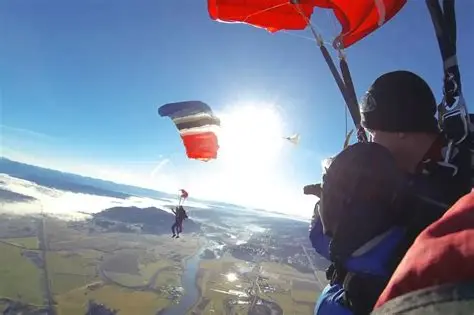 Source explorewashingtonstate.com
Top Drop Zones in Washington State: Where to Take the Plunge
Washington State offers some truly breathtaking backdrops for your first skydive, or indeed, any skydive. Imagine soaring above lush forests, sparkling lakes, and even the Puget Sound, with majestic mountains like Mount Rainier in the distance. The experience is undeniably epic. Choosing the right drop zone is a big part of the adventure, as each offers a slightly different vibe and view.
It's all about finding a place that feels right for you, whether you're looking for stunning scenery, a super friendly atmosphere, or perhaps a location that's just a quick drive from Seattle. Many of these places are run by passionate skydivers who are dedicated to making your first jump as safe and exhilarating as possible. They provide all the necessary training and gear, ensuring you feel completely prepared for your descent back to Earth. Don't be shy about asking questions when you call them up!
Here's a quick look at some popular drop zones in Washington:
| Drop Zone Name | Location (Closest Major City) | Key Features & Vibe | Why People Love It |
|---|---|---|---|
| Skydive Snohomish | Snohomish (North of Seattle) | Stunning views of the Cascade Mountains and Snohomish River Valley. Known for its friendly, community-oriented atmosphere. Tandem jumps, AFF training. | Accessible from Seattle, picturesque scenery, and a welcoming team that makes first-timers feel at ease. Great for a classic Pacific Northwest experience. |
| Skydive Kapowsin | Shelton (South of Seattle/Tacoma) | Panoramic views of Mount Rainier, the Olympic Mountains, and Puget Sound. One of the largest and oldest drop zones in the Pacific Northwest. | Experienced instructors, state-of-the-art facilities, and diverse jump options. Offers a truly grand vista of Washington's natural beauty. |
| Skydive Chelan | Chelan (Central Washington) | Unforgettable views over beautiful Lake Chelan and the surrounding vineyards and mountains. Offers a unique "resort town" skydiving experience. | Combines a thrilling skydive with a beautiful getaway destination. Perfect for those looking to make a full weekend out of their adventure. |
When you're making your decision, think about what kind of views you're hoping for and how far you're willing to travel. Each location has its own charm. The most important thing is that you'll be creating memories that will last a lifetime, regardless of which incredible Washington drop zone you choose. Just pick one, book your spot, and get ready for the ride of your life.
What to Expect on Your First Skydive: A Step-by-Step Guide
So, you've decided to take the leap – literally! That's awesome. Your first skydiving experience, especially a tandem jump, is an incredibly exhilarating adventure that's more accessible than you might think. Let's walk through what you can generally expect on the big day, so you feel a little more prepared and a lot more excited. It's perfectly normal to have some pre-jump jitters, but knowing the process can really help calm those nerves.
First things first, you'll arrive at the drop zone, usually a bit before your scheduled jump time. This allows for check-in and paperwork. You'll need to fill out some forms, including waivers, so make sure to bring a valid ID. After the administrative stuff, you'll meet your tandem instructor, who will be your guide and literally attached to you for the entire experience. They are highly experienced and certified professionals.
Next comes a brief ground training session. Don't worry, it's not like going back to school. Your instructor will explain the basics: how to position your body during the exit from the plane, the freefall, and the landing. They'll also go over how the parachute works and what to expect during each phase of the jump. This training typically lasts about 15-20 minutes, giving you just enough information without overwhelming you.
After training, you'll get geared up. You'll be fitted with a special harness that connects securely to your instructor's rig. It's snug, but it's designed for your safety and comfort. Then, it's time to head to the aircraft! You'll board a small plane with your instructor and other excited skydivers, ready for the scenic ride up to altitude. The plane ride itself is part of the fun, offering amazing views as you ascend.
Once you reach jump altitude, typically around 10,000 to 14,000 feet, the door opens. This is often the most thrilling moment for many first-timers! You and your instructor will move towards the door, then it's a quick step out into the open air. You'll experience about 45-60 seconds of incredible freefall, soaring at speeds of around 120 miles per hour. It’s an indescribable sensation of pure joy and freedom.
After freefall, your instructor will deploy the parachute. Suddenly, the world becomes quiet, and you'll gently float down, enjoying a peaceful canopy ride for about 5-7 minutes. During this time, you can talk to your instructor, take in the breathtaking views, and even steer the parachute a bit if you're feeling adventurous. The landing is usually a gentle slide or stand-up, and then you've done it! You've officially skydived.
Safety First: Understanding Skydiving Regulations and Gear
When you decide to go skydiving, one of the first things that probably crosses your mind is, "Is this safe?" It's a completely natural question. The good news is that skydiving, especially tandem skydiving, is an incredibly regulated sport with an exceptional safety record. This isn't just a daredevil activity; it's a meticulously planned and executed operation, backed by stringent rules and advanced technology.
In the United States, skydiving safety is largely overseen by the United States Parachute Association (USPA). The USPA sets industry standards for training, equipment, and operations, and most reputable drop zones in Washington State (and across the country) adhere strictly to these guidelines. This means your instructors are highly trained and certified, and the equipment undergoes regular inspections and maintenance.
Let's talk about the gear, because it's pretty impressive. When you do a tandem skydive, you'll be wearing a harness that connects securely to your instructor's rig. This rig contains not one, but two parachutes: a main parachute and a reserve parachute. Both are meticulously packed by certified riggers. In the highly unlikely event that the main parachute has an issue, the reserve can be deployed.
But wait, there's more! Modern skydiving rigs also include an Automatic Activation Device (AAD). This clever piece of technology is a small, computerized barometric altimeter that automatically deploys the reserve parachute if the skydiver is still falling at a dangerously low altitude and speed. It's a crucial backup system, adding another layer of safety to an already robust setup. These devices are standard on all student and tandem rigs.
Your tandem instructor is your ultimate safety net. They undergo extensive training, accumulate thousands of jumps, and are continually re-certified to ensure they are at the top of their game. They're not just there to attach you; they manage the entire jump, from exit to landing, ensuring your safety throughout. They'll be checking everything multiple times before you even get on the plane.
So, while jumping out of a perfectly good airplane might sound inherently risky, the reality is that the industry has evolved tremendously. With rigorous training, state-of-the-art equipment, strict regulations, and highly skilled professionals, skydiving today is a controlled and remarkably safe adventure. You can truly relax and enjoy the incredible experience, knowing that every precaution has been taken for your well-being.
Beyond the Tandem: Continuing Your Skydiving Journey
Okay, so you’ve done your first tandem skydive in Washington, and you’re absolutely buzzing. That incredible feeling of freefall and floating under canopy has hooked you, and now you’re thinking, "What's next?" Well, the good news is that your skydiving journey doesn't have to end with a single jump. Many people find themselves drawn deeper into the sport, eager to learn how to skydive solo.
The next exciting step for many aspiring skydivers is to enroll in an Accelerated Freefall (AFF) program. This is a comprehensive training course designed to teach you how to jump safely and competently on your own. It’s a very hands-on experience, where you’ll learn everything from equipment knowledge and body positioning in freefall to canopy control and emergency procedures. You won't be jumping entirely alone right away, though.
During your first few AFF jumps, you'll still have instructors with you in freefall, holding onto your harness to provide stability and direct coaching. This allows you to learn and practice essential skills in a controlled environment, with expert guidance right by your side. As you progress through the levels, the instructors gradually release their grips, eventually allowing you to jump and freefall completely solo, with instructors providing guidance from the plane or ground.
The AFF program is structured into several levels, each with specific learning objectives that you need to master before moving on. You'll perform various maneuvers in the air, such as turns, flips, and tracking, all while communicating with your instructors. Ground school sessions are also a crucial part of the program, where you'll delve deeper into theoretical knowledge about aerodynamics, weather, and safety protocols.
Once you’ve successfully completed the AFF program, you'll continue to gain experience by making solo coached jumps. The ultimate goal is to earn your A-license, which is the first full skydiving license recognized by the USPA. To get your A-license, you typically need to complete a minimum of 25 jumps, pass a written exam, and demonstrate proficiency in a set of skills, including packing your own parachute.
Earning your A-license opens up a whole new world of skydiving possibilities. You’ll be able to jump without instructor supervision, join other licensed skydivers for formation flying, or explore other disciplines like freeflying, wingsuiting, or even competitive skydiving. Washington State drop zones are often vibrant communities, and continuing your training means becoming part of this passionate and welcoming world. It’s a commitment, but the rewards of mastering such an incredible skill are immeasurable.
Your Skydiving Questions Answered: FAQs About Washington State Jumps
Have some questions bubbling up about skydiving in Washington State? You're not alone! It's a big decision, and it's totally normal to want to know as much as possible before taking the plunge. Here are some of the most common questions people ask, to help you feel fully informed and ready for your adventure.
How old do I need to be to skydive in Washington?
Generally, you must be at least 18 years old to skydive in Washington State, as is the standard across the U.S. There are no exceptions for parental consent, even for tandem jumps.
Is there a weight limit for skydiving?
Yes, most drop zones have a weight limit, usually around 220-250 pounds. This is for safety reasons, due to equipment limitations and ensuring a comfortable fit in the harness. It's best to check with your chosen drop zone directly.
What should I wear for my skydive?
Wear comfortable, athletic clothing appropriate for the weather. Think layers, especially if it's a cooler day. Sneakers or other closed-toe shoes are essential. Avoid sandals, boots with hooks, or anything that could snag.
How long does the whole skydiving experience take?
While the actual jump itself is brief (a few minutes of freefall and canopy ride), you should plan to spend about 2-4 hours at the drop zone. This accounts for check-in, training, gearing up, and waiting for your turn.
Do I need to make a reservation?
Absolutely! Skydiving is very popular, especially on weekends and during good weather. It's highly recommended to book your jump several weeks in advance to secure your preferred date and time.
Can I bring a camera or phone to record my jump?
For tandem jumps, personal cameras or phones are generally not allowed for safety reasons. You'll be offered professional video and photo packages by the drop zone, recorded by an instructor or an external videographer.
What if the weather is bad on my jump day?
Skydiving is very weather-dependent. If there are high winds, heavy clouds, or rain, your jump will likely be rescheduled for safety. Drop zones will communicate any cancellations or delays as soon as possible.
Will I feel sick or dizzy during the jump?
Many people worry about this, but air sickness is quite rare in skydiving. The sensation of freefall is more like flying than falling, and there's no "roller coaster stomach drop." The wind resistance stabilizes you.
What is the difference between a tandem skydive and an AFF jump?
A tandem skydive involves jumping securely harnessed to an experienced instructor, requiring minimal training. AFF (Accelerated Freefall) is a training program where you learn to skydive solo, eventually progressing to jumping on your own.
How much does skydiving cost in Washington State?
The price for a tandem skydive typically ranges from $200-$300, depending on the drop zone, day of the week, and whether you add video/photo packages. AFF programs are more expensive, as they involve multiple jumps and extensive training.
Can I skydive if I have a medical condition?
If you have any medical conditions, especially heart or respiratory issues, consult your doctor before booking. You'll also need to disclose any conditions on your waiver, and the drop zone may require a doctor's note.
What happens if the parachute doesn't open?
This is an extremely rare occurrence due to strict safety protocols. Every rig has a main and a reserve parachute. Instructors are trained in emergency procedures, and an Automatic Activation Device (AAD) is a backup for the reserve.
Can my friends and family watch me jump?
Most drop zones have designated viewing areas where your friends and family can watch you land. It's a great way to share the excitement! Just be sure to check their visitor policies beforehand.
Will my ears pop during the jump?
Yes, just like on an airplane, your ears might pop due to the rapid change in altitude. Yawning, swallowing, or performing the Valsalva maneuver (pinching your nose and gently blowing) can help equalize the pressure.
What kind of training is involved for a tandem skydive?
For a tandem skydive, you'll receive a brief ground training session, usually around 15-20 minutes, covering body position for exit, freefall, and landing. Your instructor handles all the technical aspects during the jump.
Thanks for Flying With Us!
Well, that's our dive into the incredible world of skydiving in Washington State! Whether you're planning your first tandem jump, reminiscing about a past freefall, or just dreaming about those breathtaking views, we hope you've enjoyed soaring with us through this article. Thanks so much for reading along; we had a blast putting it together. We'd absolutely love to have you back for more adventures and insights soon, so keep an eye out for our next piece. Until then, stay adventurous, and maybe we'll see you in the wild blue yonder!