Dive In: Washington State's Surprisingly Vibrant Underwater World
When you picture scuba diving, your mind probably drifts to sunny tropical reefs and crystal-clear blue waters, right? Well, get ready to swap those palm trees for evergreens because Washington State offers some seriously cool, and surprisingly colorful, underwater adventures. Forget what you think you know about cold water diving; the Pacific Northwest is a vibrant, action-packed playground for anyone willing to pull on a drysuit and explore a truly unique marine world just beneath the surface.
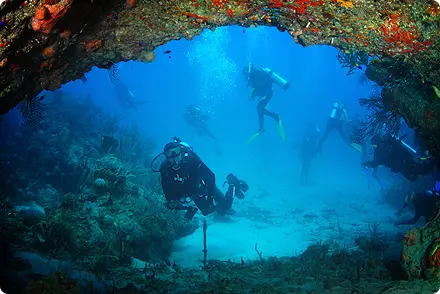 Source seattleyachtchartersdaily.com
Iconic Dive Sites & What You'll Discover
For those ready to plunge into Washington's cool waters, a treasure trove of dive sites awaits. From artificial reefs teeming with life to natural walls draped in vibrant anemones, there’s a spot for every skill level and interest. Each location offers its own unique charm and an incredible cast of underwater characters.
Understanding what makes each site special helps you plan your perfect dive day. You might be searching for the thrill of a wreck, the peace of a kelp forest, or the excitement of spotting a rare creature. Washington's waters consistently deliver on all fronts, promising memorable experiences.
Dive sites here are often well-maintained and many have easy access points, making your adventure smoother. Local dive shops are always a great resource for up-to-date conditions and site-specific tips. Prepare to be amazed by the sheer diversity and abundance beneath the surface, whether it's a calm cove or a more adventurous drift dive.
You'll find that many of these locations are also popular with local photographers. The visibility can be surprisingly good, especially during certain times of the year, allowing for stunning captures. Always remember to check local regulations and currents before jumping in. Safe diving is happy diving, after all.
Here's a quick look at some must-visit spots:
| Dive Site | Location/Type | Marine Life Highlights | Best For |
|---|---|---|---|
| Keystone Jetty | Whidbey Island / Shore Dive | Giant Pacific Octopus, Wolf Eels, Nudibranchs, Lingcod | Critter hunting, Macro photography, Easy entry |
| Edmonds Underwater Park | Edmonds / Shore Dive (Artificial Reef) | Plumose Anemones, Rockfish, Cabezon, Sculpins, occasional Seals | Beginners, Training dives, Diverse marine life |
| Deception Pass | Whidbey Island / Drift Dive | Strong currents, abundant invertebrate life, schools of fish | Experienced divers, Thrill-seekers, Unique current diving |
| Saltwater State Park | Des Moines / Shore Dive | Starfish, Anemones, Crabs, smaller fish species | Family-friendly, Easy access, Night dives |
| Redondo Beach | Federal Way / Shore Dive | Octopus dens, Wolf Eels, Sea Pens, numerous Nudibranchs | Macro photography, Night diving, Relaxed pace |
Encountering Washington's Unique Marine Life
Diving in Washington State isn't just about the chilly water; it's about the vibrant, diverse, and often colossal marine life that calls these Pacific Northwest depths home. From the majestic Giant Pacific Octopus to the cunning Wolf Eel, every dive offers a chance for an unforgettable encounter. The ecosystem here is rich and thriving, supported by the nutrient-rich waters.
You'll quickly learn that cold water diving brings its own spectacular creatures. Prepare to be mesmerized by vast fields of colorful anemones, swaying gently with the currents, creating an otherworldly garden. These include the massive white plumose anemones, which can cover entire sections of artificial reefs, making for stunning vistas.
Look closer and you'll spot an incredible array of nudibranchs, often referred to as sea slugs, in every conceivable color and pattern. They are the jewels of the Puget Sound, tiny but magnificent. Macro photographers absolutely adore the variety found here, spending hours patiently searching for these miniature marvels.
Of course, no dive in Washington would be complete without hoping to glimpse the famous Giant Pacific Octopus. These intelligent cephalopods are masters of camouflage and can be surprisingly shy, but encountering one in its natural habitat is a truly humbling experience. They are magnificent creatures, often seen peeking from their lairs or gracefully gliding across the seabed.
Beyond the headliners, you'll encounter numerous species of rockfish, often schooling together in impressive numbers. Various crabs scuttle across the bottom, while curious lingcod might eye you from their rocky perches. Keep an eye out for seals and sea lions too; they sometimes make playful appearances, especially near busier dive spots. The diversity is truly astounding, proving that cold water diving holds a warmth of its own.
Essential Tips for a Smooth Washington Dive Adventure
Getting ready for a dive trip in Washington State means a little extra preparation, but it’s absolutely worth it for the incredible underwater experiences. The key to enjoying these unique waters is to be properly equipped and well-informed. Thinking ahead will make all the difference to your comfort and safety.
First things first, embrace the cold! Washington's waters typically range from 45-55°F (7-13°C), which means a drysuit is highly recommended. While a thick wetsuit (7mm or thicker) can work for shorter dives, a drysuit will extend your bottom time and keep you far more comfortable, allowing you to truly relax and enjoy the scenery. Make sure you are drysuit certified or consider getting certified before your trip.
Visibility can vary greatly, from crystal clear days (20-50+ feet) to more challenging conditions. It often depends on the season, recent rainfall, and tidal action. Spring and fall often offer some of the best visibility, but summer plankton blooms can sometimes reduce it. Always check local dive reports before heading out, as conditions can change rapidly.
Currents are another significant factor, especially in areas like Deception Pass or around some of the more exposed jetties. Planning your dives around slack tide is crucial for many locations to ensure a safe and enjoyable experience. If you're new to the area, diving with a local guide or an experienced buddy who knows the currents is always a smart move. They can provide invaluable insight.
Remember to bring extra layers for before and after your dives, as surface temperatures can still be cool, even on a sunny day. A warm hat, gloves, and a thermos with a hot drink will feel like heaven after a chilly plunge. Don't forget your dive flag, a whistle, and a cutting tool for safety. Most importantly, always dive within your limits and have fun exploring the extraordinary underwater world of Washington!
Frequently Asked Questions About Scuba Diving in Washington State
Diving in Washington State often sparks a lot of questions, especially for those new to cold water or to the Pacific Northwest. We've compiled some common inquiries to help you feel more prepared and excited for your underwater adventure. Understanding these aspects will help you plan better.
From gear choices to marine life encounters, knowing what to expect can ease any anxieties. Our goal is to provide clear and helpful answers. This way, you can focus on the amazing experiences waiting for you beneath the surface. Get ready to dive into the details!
Q1: What is the typical water temperature in Washington State?
A1: The water temperatures in Washington State generally range from about 45°F (7°C) in winter to 55°F (13°C) in summer. It's definitely chilly, so proper thermal protection is a must for comfortable diving.
Q2: Do I need a drysuit to dive in Washington?
A2: While a thick 7mm wetsuit can work for shorter dives, a drysuit is highly recommended for optimal comfort and extended bottom time. If you plan to dive here regularly, a drysuit is a game-changer.
Q3: What's the visibility like?
A3: Visibility varies greatly! It can range from 10 feet on a challenging day to 50+ feet on a good day. Factors like tides, currents, plankton blooms, and recent rainfall all play a role in how clear the water is.
Q4: When is the best time of year to go diving in Washington?
A4: Diving is year-round! Spring and fall often offer excellent visibility and fewer crowds. Summer has warmer surface temps but can have more plankton. Winter offers crisp, clear water but colder conditions.
Q5: What kind of marine life can I expect to see?
A5: Expect to see Giant Pacific Octopuses, Wolf Eels, Lingcod, various rockfish, colorful nudibranchs, sea stars, anemones, crabs, and sometimes seals or sea lions. The biodiversity is amazing!
Q6: Are there strong currents to be aware of?
A6: Yes, some dive sites, particularly in narrow passages like Deception Pass, experience very strong currents. Always plan your dives around slack tide and consult local dive shops or guides.
Q7: Do I need any special certifications for cold water diving?
A7: While not strictly required for all dives, a Drysuit Diver certification is highly recommended if you're using a drysuit. Knowing how to properly manage your drysuit enhances safety and comfort.
Q8: Can beginners dive in Washington State?
A8: Absolutely! There are many beginner-friendly shore dives, like Edmonds Underwater Park, that offer easy access and calm conditions. Always go with an experienced buddy or guide.
Q9: Where can I rent dive gear in Washington?
A9: Many dive shops throughout the Puget Sound area offer gear rentals, including drysuits, tanks, and regulators. It's a good idea to reserve your equipment in advance, especially during peak seasons.
Q10: Are there guided dive tours available?
A10: Yes, several dive shops offer guided shore dives and boat charters. A guided tour is an excellent way to explore new sites safely and learn about the local marine environment from experts.
Q11: Is it safe to dive at night in Washington?
A11: Night diving can be magical in Washington, revealing different creatures and behaviors. Many sites are suitable for night dives, but always dive with proper training, lights, and an experienced buddy.
Q12: What is the legal requirement for dive flags?
A12: In Washington State, divers are required to display a dive flag when in the water. Divers must stay within 100 feet of their dive flag in open water, or 50 feet in rivers, lakes, or other enclosed waters.
Q13: Are there any dive sites accessible without a boat?
A13: Yes, Washington is famous for its excellent shore diving. Many popular sites like Edmonds Underwater Park, Keystone Jetty, and Saltwater State Park are easily accessible from shore.
Q14: What should I do if I encounter a seal or sea lion while diving?
A14: Seals and sea lions are curious but wild animals. Observe them from a respectful distance. Avoid pursuing, touching, or feeding them. Enjoy the encounter, but let them approach you on their terms.
Q15: What's one piece of advice for a first-time Washington diver?
A15: Embrace the cold, be prepared with good thermal protection, and keep your eyes peeled for the incredible biodiversity! A positive attitude and an adventurous spirit will make your dive truly unforgettable.
Embracing the PNW Dive Community and Culture
Diving in Washington State isn't just about the incredible underwater landscapes; it's also about becoming part of a passionate and welcoming dive community. The Pacific Northwest dive culture is unique, fostering a strong sense of camaraderie among its members. You'll find that local divers are incredibly supportive and eager to share their knowledge and favorite spots.
This community spirit is truly one of the hidden gems of diving here. Whether you're a seasoned cold-water veteran or just starting your journey, you’ll quickly feel at home. Local dive shops often serve as hubs for this community, organizing events, dive trips, and workshops. They're fantastic places to meet new dive buddies and get local insights.
Many dive clubs and online forums also thrive in the region, connecting divers from all walks of life. These groups are excellent resources for finding partners, discussing gear, sharing experiences, and staying informed about local conditions. The passion for the underwater world runs deep in Washington, creating a vibrant social scene both above and below the surface.
You'll notice that PNW divers are often equipped with serious gear, but they approach their sport with a laid-back attitude. There's a shared appreciation for the rugged beauty of the environment and the resilience it takes to explore it. This common ground builds strong bonds and lasting friendships among those who brave the chilly depths together.
So, don't just plan your dives; plan to connect. Engage with local shops, join a club, or simply strike up a conversation with fellow divers at a popular site. You'll find that the community aspect adds an enriching layer to your Washington diving experience, turning every dive into a shared adventure. It’s more than a sport; it’s a way of life here.
Thanks for Diving In!
And with that, we surface from our exploration of Washington State's incredible underwater world. Thanks so much for diving in with us today and taking the time to read! Whether you're planning your next cold-water adventure or just enjoyed learning about the local marine life, we hope you found it a good read. Don't be a stranger – keep an eye out for more articles and join us again next time for another journey!