Scuba Diving the Great Barrier Reef from Cairns: Get Ready for Fun!
Ever dreamed of gliding through crystal-clear waters, surrounded by a kaleidoscope of coral and marine life? Well, if you're heading to Cairns, Queensland, that dream is about to become a spectacular reality! Nestled right on the doorstep of the iconic Great Barrier Reef, Cairns is the undisputed capital for diving enthusiasts, offering an unforgettable gateway to one of the world's most breathtaking underwater playgrounds.
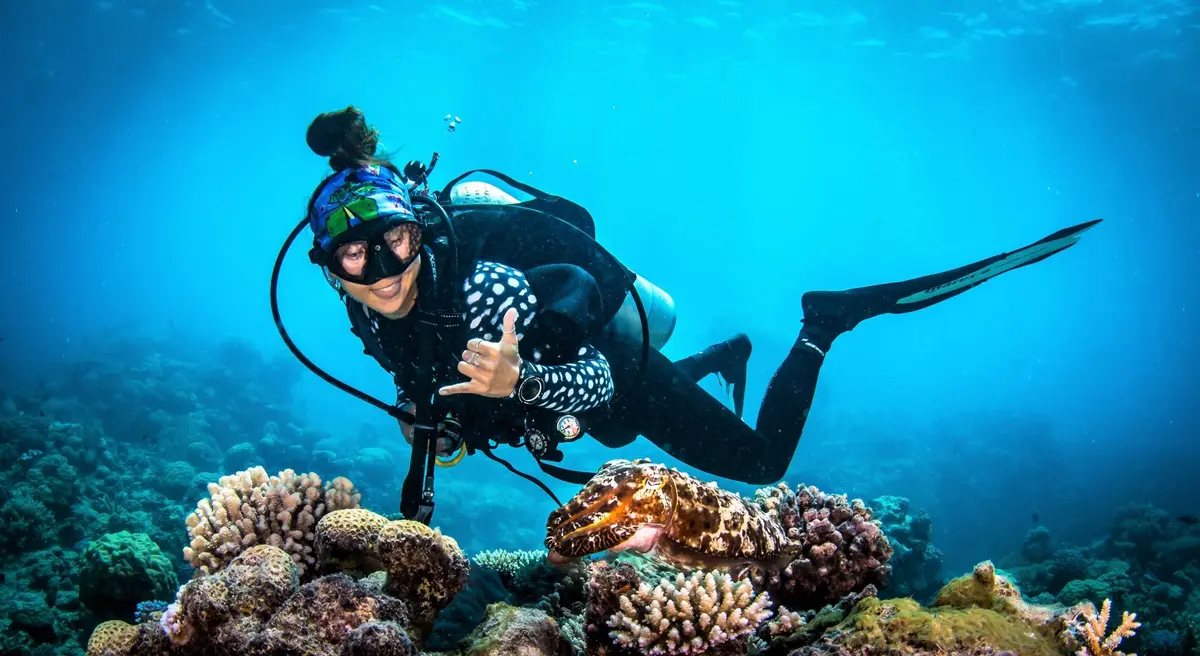 Source cairnsaustralia.com
Essential Gear & Dive Operators in Cairns
Ready to take the plunge into the magnificent waters off Cairns? Understanding your gear and choosing the right dive operator is the first big step towards an incredible Great Barrier Reef adventure. Most reputable dive operators in Cairns provide all the necessary scuba equipment as part of your tour package. This usually includes fins, a mask, a wetsuit, a BCD (Buoyancy Control Device), a regulator, and a dive computer.
You'll often find that even if you're a beginner taking an introductory dive, everything is supplied for you. Certified divers also have the option to rent gear or bring their own if they prefer. Always double-check with your chosen operator about what's included and what you might need to bring yourself, like motion sickness medication or sunscreen.
Cairns boasts a wide array of dive operators, catering to every type of diver, from absolute novices to seasoned pros. You can choose between full-day trips that take you out to the outer reef for a couple of dives, or exhilarating multi-day liveaboard experiences that let you eat, sleep, and breathe diving for days on end. Liveaboards are fantastic for exploring more remote sections of the reef and enjoying spectacular night dives, which offer a completely different perspective of the underwater world.
Here's a quick comparison to help you decide which kind of trip might be best for your diving dreams:
| Trip Type | Duration | Highlights | Best For |
|---|---|---|---|
| Day Trip | 1 Day | Quick access to outer reef sites, typically 2-3 dives, often includes lunch and snorkeling. | Beginners, certified divers with limited time, families, those prone to seasickness. |
| Liveaboard | 2-7 Days | Multiple dives daily (up to 12-19 on longer trips), night dives, access to diverse and more distant dive sites, all meals included. | Experienced divers, those seeking advanced certification, underwater photographers, people wanting immersive reef experience. |
Each operator has its own unique charm, boat size, and target audience, so it's worth doing a little research to find one that aligns with your diving aspirations. Don't be shy to ask questions about their safety records, crew experience, and the specific dive sites they visit, ensuring you pick the perfect partner for your underwater journey.
Unmissable Dive Sites & Marine Life Encounters
The Great Barrier Reef near Cairns is a diver's paradise, brimming with an astonishing variety of dive sites that promise unforgettable encounters with incredible marine life. From vibrant coral gardens to dramatic drop-offs and intriguing shipwrecks, there's a site for every preference and skill level. One of the most popular areas is the Outer Reef, home to iconic spots like Hastings Reef, Saxon Reef, and Norman Reef.
These sites are renowned for their excellent visibility and abundant aquatic inhabitants. You can expect to drift past schools of colourful parrotfish, inquisitive reef sharks, and graceful sea turtles gliding through the water. Keep your eyes peeled for Nemo – clownfish are a common sight, darting in and out of their anemone homes.
Moving further afield, dive sites such as the Cod Hole on the Ribbon Reefs offer a truly unique experience. Here, you'll come face-to-face with giant potato cod, fish so large and friendly they'll often swim right up to you! This is a legendary spot for photographers and anyone wanting a close encounter with these gentle giants.
Another gem is Osprey Reef, an oceanic coral reef located beyond the continental shelf, usually accessed via liveaboard trips. Osprey Reef is famous for its spectacular wall dives, which plunge thousands of meters into the abyss. It's a prime location for spotting larger pelagic species like hammerhead sharks, barracudas, and manta rays, especially during certain seasons. The clear, deep blue waters create an exhilarating backdrop for these thrilling encounters.
The sheer biodiversity of the Great Barrier Reef is mind-boggling. Besides the larger creatures, you'll be mesmerized by the intricate details of the smaller reef dwellers. Look closely, and you might spot pygmy seahorses, nudibranchs in every colour imaginable, or tiny gobies peeking out from their sandy burrows. Every dive offers a chance to discover something new and wonderful, making each descent a fresh adventure into a thriving underwater ecosystem.
Beyond the Dive: Topside Adventures in Cairns
While the allure of the Great Barrier Reef is undeniably the main draw, Cairns itself is a vibrant tropical city offering a plethora of topside adventures that perfectly complement your diving holiday. Taking a break from the ocean allows you to explore the stunning natural beauty and rich cultural experiences that the region has to offer. One of the absolute must-dos is to venture into the ancient Daintree Rainforest, a UNESCO World Heritage site and the oldest continuously surviving tropical rainforest on Earth.
You can take a scenic drive along the coast, embark on a guided walk through the lush canopy, or even go zip-lining for an adrenaline rush high above the forest floor. The Barron Gorge National Park is another spectacular natural wonder, home to the mighty Barron Falls. Witnessing these impressive waterfalls in full flow after rainfall is a truly magnificent sight, and there are various lookouts offering breathtaking panoramic views.
For those who enjoy a more relaxed pace, Cairns Esplanade is the perfect spot to unwind. Take a leisurely stroll along the waterfront, enjoy a picnic, or cool off in the Esplanade Lagoon, a man-made swimming facility that's free to use and popular with locals and tourists alike. There are also plenty of cafes and restaurants lining the Esplanade where you can grab a delicious meal or a refreshing drink.
Exploring the local markets is another fantastic way to soak up the atmosphere of Cairns. The Cairns Night Markets offer a diverse range of souvenirs, arts, crafts, and food stalls, creating a lively evening experience. During the day, Rusty's Markets provide a colourful and aromatic journey through local produce, exotic fruits, and unique crafts. It's a wonderful opportunity to mingle with the locals and sample some fresh, regional delights.
No trip to Cairns would be complete without experiencing some of its unique wildlife parks. Places like Hartley's Crocodile Adventures allow you to get up close and personal with crocs, koalas, kangaroos, and cassowaries. These experiences offer a fantastic way to learn about Australia's iconic animals and ensure your Cairns adventure is truly memorable, both above and below the surface.
Planning Your Dive Trip: Best Time & Logistics
Planning your scuba diving trip to Cairns and the Great Barrier Reef involves a few key considerations to ensure you have the best possible experience. One of the most common questions is, "When is the best time to visit?" The good news is that Cairns is a year-round destination for diving, thanks to its tropical climate and the relatively stable water temperatures of the reef.
However, there are two distinct seasons that offer slightly different conditions. The "dry season," from May to October, is generally considered the peak time. During these months, you can expect clear skies, lower humidity, and water temperatures ranging from a comfortable 22°C to 26°C (72°F to 79°F). This period also typically offers excellent visibility underwater, making it ideal for photography and marine life spotting.
The "wet season," from November to April, brings higher humidity, occasional tropical downpours, and warmer water temperatures, usually between 26°C and 30°C (79°F to 86°F). While there can be more rain, it often comes in short, heavy bursts, and dive trips usually proceed as planned. A key consideration during the wet season, particularly from November to May, is the presence of marine stingers. While dive operators provide full-body "stinger suits" for protection, it's something to be aware of.
Booking your trip well in advance, especially during the peak dry season, is highly recommended. Popular dive operators and liveaboard trips can fill up quickly. It's also wise to research and book your accommodation in Cairns early, as options can become limited. Cairns itself is easily accessible, with its own international airport (CNS) offering direct flights from various Australian cities and some international hubs.
Once you arrive, getting around is straightforward. Many dive operators offer transfers from your accommodation, or you can easily use taxis, ride-sharing services, or public transport. Remember to allow ample time between your last dive and flying – generally 18-24 hours for multiple dives – to avoid decompression sickness. A little planning goes a long way in ensuring your Great Barrier Reef diving adventure is smooth, safe, and truly unforgettable.
Your Scuba Diving Cairns & Great Barrier Reef FAQs
Q1: Do I need to be a certified diver to explore the Great Barrier Reef?
No, absolutely not! Many operators in Cairns offer introductory dives, often called "resort dives" or "discover scuba diving" experiences. These allow you to dive under the direct supervision of an experienced instructor, even if you've never dived before. It's a fantastic way to get a taste of scuba diving without committing to a full certification course.
Q2: How deep do introductory dives go?
Introductory dives typically have a maximum depth limit of 12 metres (around 40 feet). This depth is safe and shallow enough for beginners to enjoy the reef's beauty while remaining under close supervision. You'll still see an incredible amount of marine life at this depth.
Q3: What's the water temperature like in Cairns?
Water temperatures in the Great Barrier Reef generally range from 22°C (72°F) in the cooler months (July/August) to a warm 30°C (86°F) during the summer (January/February). Most dive operators provide wetsuits, which help with warmth and sun protection, ensuring you're comfortable no matter the season.
Q4: Are there sharks in the Great Barrier Reef? Are they dangerous?
Yes, there are sharks in the Great Barrier Reef, primarily reef sharks like white-tip and black-tip reef sharks, which are generally harmless and shy towards humans. Seeing a shark is actually a highlight for many divers, and they usually keep their distance. Attacks on divers are extremely rare.
Q5: What marine life can I expect to see?
You can expect to see an incredible array of marine life! This includes colourful hard and soft corals, clownfish (Nemo!), parrotfish, butterflyfish, giant clams, sea turtles, stingrays, reef sharks, barracudas, and sometimes even majestic manta rays or friendly potato cod depending on the dive site.
Q6: Do I need to bring my own dive gear?
Most dive operators in Cairns include all necessary dive gear (wetsuit, fins, mask, BCD, regulator) as part of their tour package. Certified divers can bring their own if preferred, but it's not a requirement. Always check with your specific operator about what's included.
Q7: How much time should I allow between my last dive and flying?
A minimum of 18-24 hours is recommended between your last dive and flying to avoid decompression sickness, especially after multiple dives. This is a crucial safety precaution. Many divers plan a day of land-based activities or relaxing on their last day in Cairns.
Q8: What if I get seasick?
Seasickness can be a concern for some, but there are several solutions. Taking motion sickness medication well before boarding, staying on deck in the fresh air, and focusing on the horizon can help. Most dive boats are quite large and stable, reducing the likelihood of severe seasickness.
Q9: Is the Great Barrier Reef dying?
While the Great Barrier Reef has faced significant challenges, particularly from coral bleaching events due to climate change, it is absolutely not dying. Many parts remain vibrant and healthy, especially in the outer reef areas near Cairns which are frequently visited by dive tours. There are also extensive conservation efforts underway.
Q10: Can children go scuba diving?
Children as young as 10 years old can typically participate in introductory dives or obtain their Junior Open Water Diver certification. However, specific age requirements can vary slightly between operators and certification agencies. Always check with the dive centre.
Q11: How many dives can I do in a day trip?
Most full-day trips to the outer Great Barrier Reef from Cairns include 2-3 dives, often with options for certified and introductory divers. This allows for ample time to explore different sections of the reef and enjoy the underwater environment.
Q12: What should I bring on a dive trip?
Besides your swimwear, bring a towel, sunscreen (reef-safe if possible!), a hat, sunglasses, a refillable water bottle, and some cash for any extra purchases. If you get seasick, remember your medication. Don't forget your camera for topside photos!
Q13: Is there Wi-Fi on dive boats?
Some larger, more modern dive boats or liveaboards might offer Wi-Fi, often for an additional fee. However, many smaller day trip boats do not. It's often a good chance to disconnect and fully immerse yourself in the experience. Check with your operator if this is important to you.
Q14: Do I need travel insurance for scuba diving?
It's highly recommended to have comprehensive travel insurance that specifically covers scuba diving activities. While reputable operators maintain high safety standards, accidents can happen, and having appropriate insurance provides peace of mind for any unexpected medical needs.
Q15: Can I get my scuba certification in Cairns?
Yes, Cairns is a fantastic place to get your Open Water Diver certification! Many dive schools offer PADI or SSI courses, often combining pool and classroom sessions with open water dives on the Great Barrier Reef. It's an unforgettable way to learn to dive in one of the world's best locations.
Wrapping Up Our Underwater Journey
So there you have it – a little dive into the incredible world of scuba diving off Cairns and the Great Barrier Reef. It's a place that truly leaves you breathless, not just from the awe-inspiring sights but from the sheer joy of being part of something so magnificent. We really appreciate you taking the time to read along and explore this beautiful corner of the world with us. Hope you enjoyed the journey, and we'd love for you to drop by again soon for more adventures and tips!