Surf's Up! Easygoing Lessons in Sunny Los Angeles
So you’ve landed in the land of sunshine, movie stars, and endless beaches – Los Angeles! And let’s be real, seeing those iconic waves break has probably got you wondering if you could ever glide across one yourself. Well, good news, buddy: diving into the world of surfing is totally within reach, and getting some lessons in LA is the perfect way to kick off your wave-riding adventure.
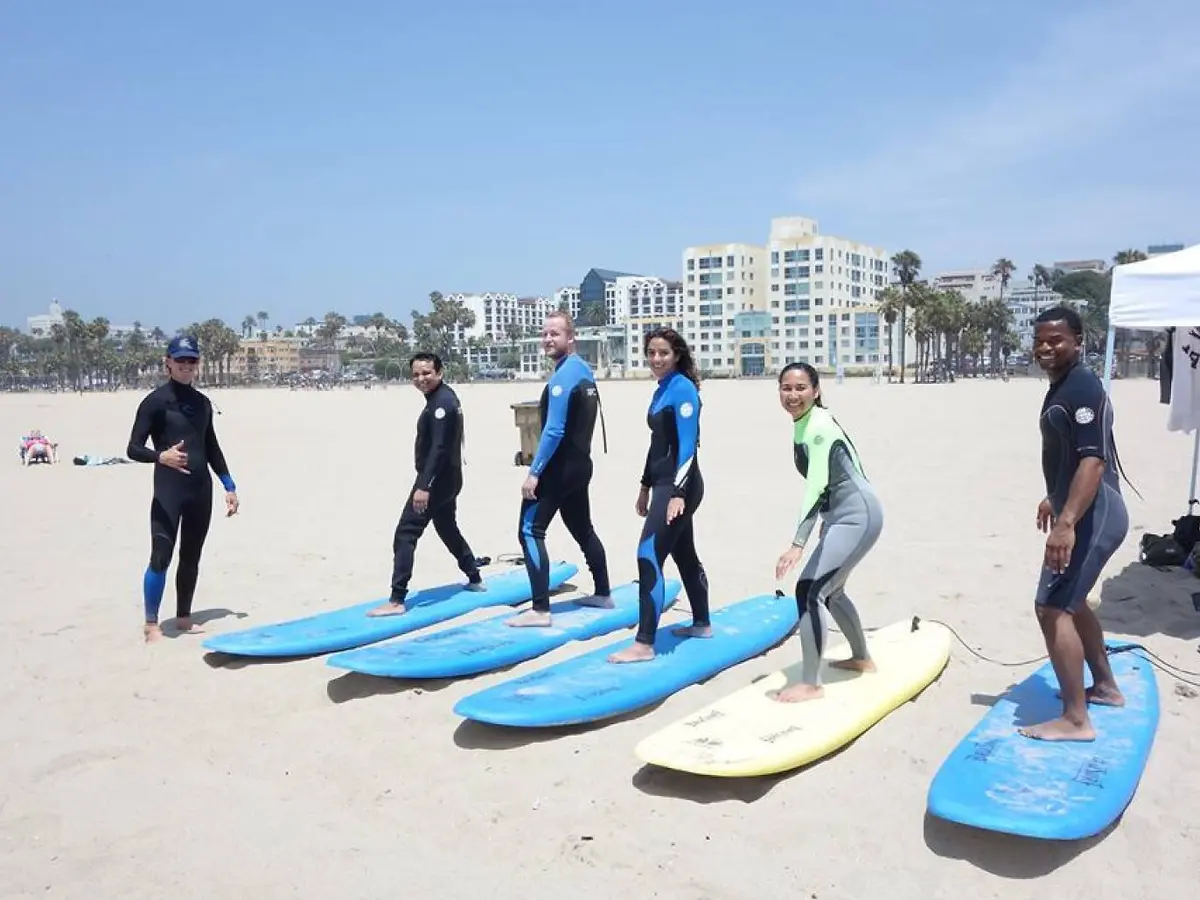 Source www.timeout.com
Choosing Your Perfect Surf Spot in LA
Los Angeles is famous for its beautiful beaches, and luckily, many of them are fantastic spots for learning to surf. Choosing the right beach for your first surf lesson can make a huge difference in your experience.
You want a spot with gentle, consistent waves, not huge breakers, and often with plenty of space so you don't feel too crowded. Safety is always key, so finding a beach where surf schools regularly operate is a good sign.
These places usually have lifeguards and conditions that are generally beginner-friendly. Plus, the vibe at these spots is usually very welcoming to newbies, which definitely helps ease any first-time jitters.
Let's take a look at some popular options to help you pick the perfect place to get started on your surfing adventure.
| Beach Name | Best for Beginners | Notes |
|---|---|---|
| Santa Monica State Beach | Yes | Very popular, gentle waves, close to amenities. Many surf schools operate here, offering a convenient learning environment. |
| Zuma Beach (Malibu) | Yes | Long, sandy beach with typically smaller, forgiving waves, especially on calmer days. Great for practicing your pop-up. |
| Venice Beach | Mixed | Can be fun, but more chaotic. Stick to designated areas away from the pier. The southern end often has better conditions for learning. |
| Manhattan Beach | Yes | Known for its friendly atmosphere and consistent, manageable waves. A fantastic place to get comfortable on a board. |
| Dockweiler Beach | Yes | Often less crowded than Santa Monica, offering ample space. The waves here are typically mellow and perfect for absolute beginners. |
Each of these beaches offers something unique for aspiring surfers. Santa Monica is bustling and convenient, while Zuma offers a more serene, spacious environment.
Manhattan Beach combines a vibrant community feel with excellent beginner waves. Dockweiler is a hidden gem for those looking for a bit more room to learn without the huge crowds.
No matter which beach you choose, always check the local surf report before heading out. Conditions can change rapidly, and knowing what to expect will help you have the safest and most enjoyable lesson possible.
Your surf school will also guide you to the best section of the beach for your lesson, so don't fret too much over the exact spot. Just be ready to dive in and have some fun!
What to Expect During Your First Surf Lesson
Stepping onto the sand for your very first surf lesson is super exciting, and maybe a little nerve-wracking! But don't worry, surf lessons are designed to be fun, safe, and super supportive, especially for beginners.
You'll typically start by checking in with your instructor and getting fitted for a wetsuit. These are awesome because they keep you warm in the water and offer a bit of padding too.
Then, you'll grab your soft-top surfboard, which is specially designed for learning. They are bigger, more stable, and have soft fins, making them much safer and easier to use than performance boards.
Once you're geared up, your lesson will usually kick off with a quick beach safety briefing. Your instructor will go over ocean awareness, like how to handle currents, and important surf etiquette.
Next comes the super important "dry land" practice. You'll learn the basics of paddling, how to position yourself on the board, and, most importantly, the "pop-up" – that's how you quickly stand up on the board.
You'll practice this motion several times on the sand until you feel a bit more confident. This practice is crucial because it builds muscle memory, which will really help once you're out in the water.
After the land lesson, it's time to hit the waves! You'll head into the shallow water, often just where the "white water" (broken waves) is. Your instructor will be right there with you, helping you catch those first little waves.
They'll push you into the waves and remind you to pop up, giving you tips and encouragement every step of the way. You'll probably fall a lot, and that's totally okay and part of the fun!
Every fall is a learning experience. The goal isn't to be a pro by the end of the lesson, but to get comfortable, catch some waves, and hopefully, stand up a few times.
You'll quickly find that the instructors are incredibly patient and motivating, making sure you feel safe and have a blast. By the end of the session, you’ll be buzzing with excitement and a newfound love for the ocean.
Tips for Getting the Most Out of Your Surf Lesson
To really soak up all the fun and learning from your Los Angeles surf lesson, a few simple tips can make a huge difference. Getting ready mentally and physically will set you up for success and a truly memorable experience.
First off, listen attentively to your instructor. They're seasoned pros who know the ocean and how to teach beginners safely and effectively. Their advice on wave timing, paddling, and pop-up technique is gold.
Don't be afraid to fall! Seriously, falling is an absolutely essential part of learning to surf. Every wipeout teaches you something new and helps you understand how the board and waves interact.
Embrace the splashes and laughter, it's all part of the journey. Trying to avoid falling often makes you stiff, which actually makes it harder to balance.
Pace yourself throughout the lesson. Surfing is a fantastic full-body workout, and you'll be using muscles you might not often engage. It can be more tiring than you expect, so take small breaks if you need to.
Don't push yourself to exhaustion. It's better to conserve some energy and maintain good form rather than burning out too quickly. Staying positive and having fun is paramount.
The ocean is an amazing place, and surfing is about connecting with it and enjoying the moment. A good attitude will help you overcome frustrations and celebrate every small victory.
Feel free to ask questions! If something isn't clear, or if you want more specific feedback on your technique, just ask your instructor. They are there to help you learn and improve.
Practice your pop-up on land even before your lesson, if you can. Doing a few repetitions at home can help build that muscle memory, making it a bit easier when you're on the wobbly board.
Stay hydrated by drinking plenty of water before and after your lesson. The sun and physical exertion can quickly dehydrate you.
Also, don't forget to fuel up with a light, healthy snack beforehand to give you energy. And of course, slather on plenty of reef-safe sunscreen to protect your skin from the bright California sun!
Beyond the First Lesson: Continuing Your Surfing Journey in LA
So, you've had your first surf lesson in Los Angeles, caught a few waves, maybe even stood up once or twice, and now you're totally hooked! The good news is, your surfing adventure in LA is just beginning.
The biggest tip for continuing your journey is not to stop after just one lesson. Surfing takes practice, patience, and persistence.
Consider booking a few more lessons, or even signing up for a multi-day surf camp. Consistent instruction will help you solidify those basic skills and progress to catching unbroken waves.
Many surf schools offer packages that can be more cost-effective and provide a structured path for improvement. With more lessons, you'll learn about wave selection, turning, and more advanced techniques.
Once you feel a bit more confident, you might start thinking about renting your own board. Many surf shops near popular beaches offer daily or hourly rentals. This is a great way to get some independent practice without committing to buying a board right away.
When you do venture out on your own, remember to stick to beginner-friendly spots and always be aware of your surroundings. Understanding basic surf etiquette is also super important to stay safe and respectful in the lineup.
This includes knowing who has the right of way and not "dropping in" on someone else's wave. You'll pick up on these unwritten rules quite quickly by observing other surfers.
Finding surf buddies or even joining a local surf club can also enhance your experience. It's always more fun and safer to surf with others, and you can learn a lot from experienced local surfers.
Plus, having someone to cheer you on and share the stoke with makes every session better. Los Angeles has a vibrant surf community, so there are plenty of opportunities to connect with fellow wave riders.
Embrace the lifestyle! Surfing isn't just a sport; it's a way of life that connects you to nature, builds resilience, and offers incredible physical and mental benefits.
Keep going, keep practicing, and most importantly, keep having fun. The waves of Los Angeles are waiting for you to ride them again and again.
FAQs About Los Angeles Surf Lessons
Is Los Angeles a good place for beginner surf lessons?
Absolutely! Los Angeles boasts numerous beaches with gentle, rolling waves that are perfect for beginners. Many surf schools are set up to teach first-timers, ensuring a safe and encouraging environment.
What age can I start taking surf lessons?
Most surf schools offer lessons for children as young as 5-7 years old, often requiring them to be comfortable swimmers. There's no upper age limit—anyone who's enthusiastic can learn!
Do I need to be a strong swimmer to take a surf lesson?
While you don't need to be an Olympic swimmer, being comfortable and confident in the ocean is essential. You'll typically stay in shallower waters, but basic swimming ability is a must for safety.
What should I bring to my first surf lesson?
Definitely bring sunscreen, a towel, a swimsuit to wear under your wetsuit, and water to stay hydrated. Some schools recommend a snack for afterwards too.
Will I stand up on my first surf lesson?
Many people do stand up on their first lesson, even if just for a second! The instructors are great at helping you catch waves and guiding your pop-up. The main goal is to have fun and get comfortable.
How long does a typical surf lesson last?
Most beginner surf lessons run for about 1.5 to 2 hours. This usually includes beach instruction, practice, and plenty of time out in the water catching waves.
Are wetsuits provided by the surf schools?
Yes, nearly all surf schools include wetsuit and surfboard rental as part of their lesson package. They'll ensure you get a comfortable fit to keep you warm.
What kind of surfboard will I use?
For your first lesson, you'll use a soft-top surfboard, often called a "foamie." These boards are stable, buoyant, and have soft fins, making them ideal and safe for beginners.
Is the water in Los Angeles cold?
Water temperatures in LA vary, but typically range from the mid-50s°F (12-14°C) in winter to the high 60s°F (18-20°C) in summer. A wetsuit keeps you perfectly comfortable year-round.
What if I'm afraid of sharks?
Shark encounters are extremely rare in Los Angeles surfing areas, especially in the shallower spots where lessons are held. Lifeguards are always present, and schools prioritize safety. You're much more likely to see dolphins!
Can I book a private surf lesson?
Yes, most surf schools offer both group and private lessons. Private lessons provide one-on-one attention, which can accelerate your learning, though they are usually a bit more expensive.
What's the best time of day to take a surf lesson?
Mornings are often ideal for surf lessons, as the ocean tends to be calmer with smaller, more consistent waves, and less wind. Your surf school will guide you on the best tides for learning.
Are group lessons fun and effective?
Group lessons are super fun! You get to share the experience with others, cheer each other on, and often learn from watching your peers. They are very effective for learning the basics in a social setting.
What if the waves are too big or too small?
Surf schools constantly monitor conditions. If waves are too large or too small for a safe and effective lesson, they will typically reschedule or adjust the lesson plan to find suitable conditions.
Should I tip my surf instructor?
While not mandatory, tipping your surf instructor is a kind gesture if you had a great experience and feel they went above and beyond. Standard gratuity is similar to other service industries, around 15-20%.
Thanks for Riding Along!
Well, that's all for now from the sunny shores of Los Angeles! We really appreciate you hanging out with us and diving into all the fun of LA surf lessons. We hope this guide got you stoked to grab a board and catch some waves. Thanks again for reading, and please do swing by again soon for more surf tips, beach adventures, and good vibes. Catch you later, maybe even out in the lineup!